
- All
- Product Name
- Product Keyword
- Product Model
- Product Summary
- Product Description
- Multi Field Search
Views: 0 Author: Site Editor Publish Time: 2026-05-20 Origin: Site


Standard card protection often leaves a vulnerable gap between rigid defense and complete environmental sealing. Penny sleeves and toploaders prevent bending but fail to block microscopic threats. Dust, moisture, and shifting during transit can silently degrade your high-value assets. Unsealed toploaders let abrasive debris slip inside, leading to irreversible surface scratches over time. Shipping multiple single cards in loose mailers often results in them sliding right out of their semi-rigid holders. Bare booster packs also face severe corner compression risks when stored improperly in undersized covers. We will break down how to evaluate the right outer barrier for your specific inventory needs. You will learn to navigate archival material standards, capacity tolerances, and closure integrity. Establishing this framework ensures you select the perfect collectible card bag for long-term preservation and safe retail fulfillment.
Material Integrity: True archival protection requires acid-free, PVC-free polypropylene to prevent chemical degradation over time.
Closure Strategy: Self seal bags with adhesive on the bag body (rather than the flap) minimize the risk of snagging cards during insertion and removal.
Sizing Hierarchy: Protective sleeves must be explicitly sized for their internal payload—ranging from raw team sets (e.g., 35-card capacity) to 180pt magnetic holders—to avoid corner compression.
Transit Security: Outer trading card packaging acts as a friction barrier, preventing cards from ejecting from semi-rigid holders during fulfillment drops or handling.
Modern collectors use a layered storage approach to ensure maximum safety. We call this the "matryoshka" storage method. You must nest items carefully to build a comprehensive defensive shield.
Inner Layer: A soft penny sleeve protects the raw card surface from immediate scratches.
Structural Layer: A rigid toploader or semi-rigid holder stops physical bending and corner folding.
Outer Layer: An external barrier completely seals the rigid holder to lock out environmental factors.
This outer trading card packaging serves as the final frontier against damage. Dust particles accumulate inside non-climate-controlled storage units or display cases. Over time, these micro-abrasives drift into the open tops of standard toploaders. When you move the holder, the trapped dust grinds against the card foil. An outer bag mitigates this risk entirely.
Moisture presents another hidden threat. Humidity fluctuations cause foil cards to curl. A sealed outer barrier creates a micro-climate, slowing down moisture transfer. This proves critical if you store bulk boxes in basements or warehouses without active humidity control.
Beyond static storage, these barriers excel during transit. Retailers face frequent fulfillment failures when shipping single cards. Packages experience sudden drops and vibrations. The inertia forces top-loaded cards to slip out of their holders. They end up striking the inside of the cardboard mailer. By utilizing an outer bag, you cap the top opening. This friction barrier traps the card safely inside its structural layer during turbulent logistics.
Choosing the correct plastic defines the success of your archival strategy. Commercial plastics often prioritize cheap manufacturing over chemical stability. You must seek out specific material profiles for long-term vaulting.
Collectors must strictly differentiate between Polypropylene and PVC (Polyvinyl Chloride). PVC contains chemical plasticizers designed to make the material flexible. Over years of storage, these plasticizers slowly leach out. They react with the ink on cardboard, causing cards to stick to the plastic. This ruins the surface gloss. You must insist on acid-free, archival-quality polypropylene. It provides chemical inertness, ensuring the ink remains undisturbed.
Material Comparison for Archival Storage | |||
Material Type | Chemical Stability | Long-Term Risk | Best Use Case |
|---|---|---|---|
Polypropylene (PP) | High (Acid-Free) | None | Permanent vaulting, grading submissions |
Polyvinyl Chloride (PVC) | Low (Contains Plasticizers) | Ink leaching, sticking | Avoid for valuable long-term storage |
Clarity also plays a vital role for collectors displaying their sets. You want "crystal-clear" films that do not dull holographic foils. However, you must manage expectations regarding UV light. Standard high-clarity soft plastics do not block UV rays. Sunlight will fade card ink rapidly. If you require UV protection, you must invest in specialized acrylics or maintain dark storage. A standard dust proof card sleeve stops debris, not the sun.
For custom retail solutions, basic polypropylene might not suffice. B2B suppliers utilize multi-layer composite structures. Films combining PET (Polyethylene Terephthalate) and VMPET (Metalized PET) offer enhanced puncture resistance. They also deliver superior moisture barrier capabilities. Retailers packing thick booster bundles benefit greatly from these robust composite films.
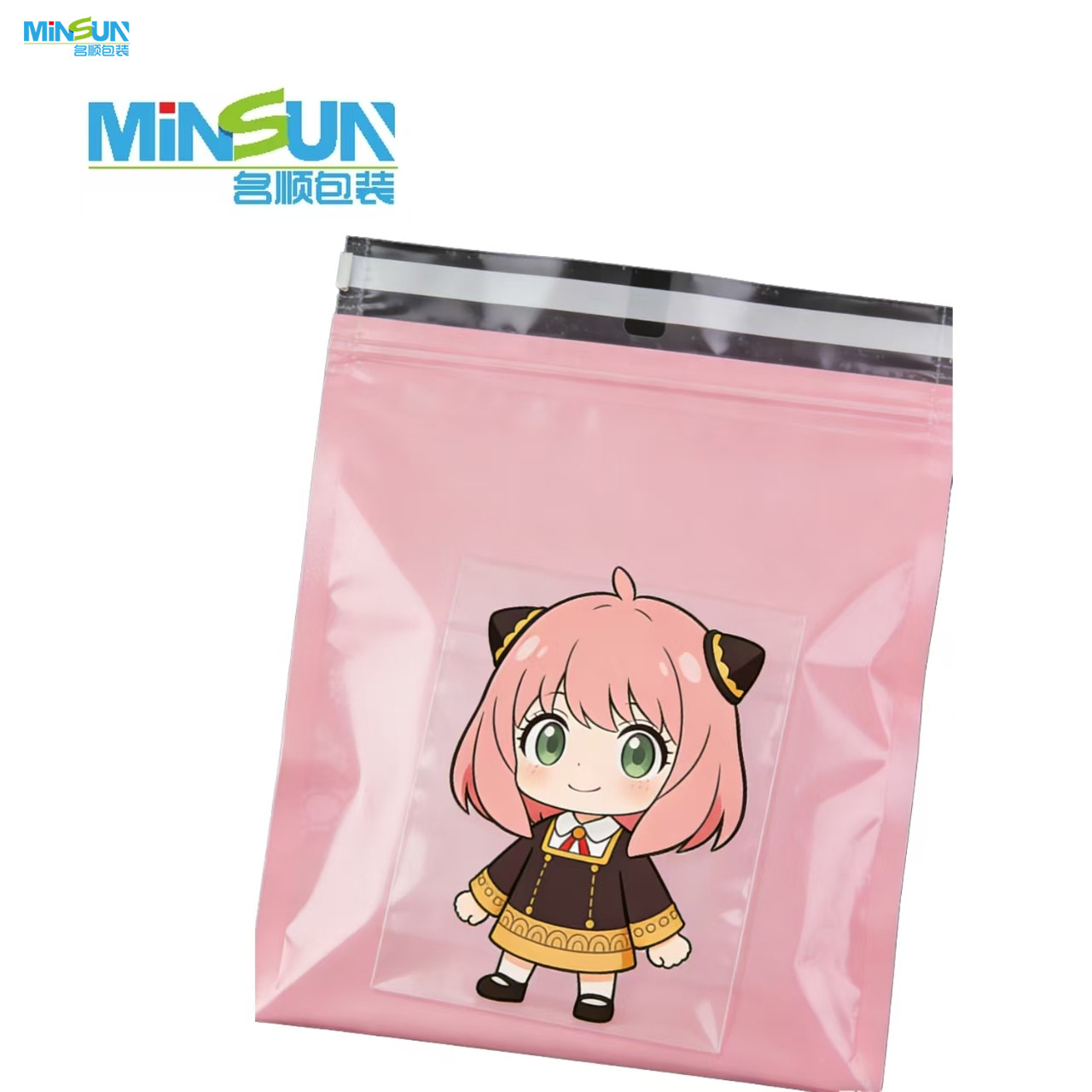
The closure mechanism dictates everyday usability. Poorly designed adhesive strips cause relentless frustration for sellers and collectors alike. You must evaluate where the manufacturer places the glue.
Flap-based adhesives put the sticky strip on the moving part of the bag. When you pull a card out, the flap naturally folds inward. The glue inevitably snags the top edge of the card or the inner sleeve. This can rip the delicate foil or tear the penny sleeve. Body-based adhesives solve this completely. The glue sits on the back panel of the bag itself. The flap remains smooth and non-sticky, allowing you to slide items in and out safely. You should always source a game card bag featuring body-based adhesive placement.
Capacity matching requires precise attention. Buying one universal size often leads to damaged inventory. You must align the bag dimensions with the specific payload.
Raw Bundles (Team Bags): These require generous depth. They comfortably hold 30 to 35 standard raw cards. Retailers use them to ship base-set bundles securely.
Standard Holders: These dimensions perfectly hug a 3x4 Toploader or a standard Semi-Rigid grading sleeve. They eliminate excess plastic flapping at the edges.
Thick Slabs: Encapsulated graded cards and 180pt magnetic cases demand wider gussets. Standard bags will split at the side seams if forced over a thick slab.
Ignoring these tolerances introduces the compression risk. Collectors often force sealed booster packs into undersized bags. This applies continuous, inward pressure on the foil wrapper. Over several months, this pressure crushes the pack's corners. Always choose a slightly oversized bag for thick stacks and original sealed products. The goal is a relaxed fit, not a vacuum seal.
While plastic sleeves dominate the market, physical hardware caps offer an alternative sealing method. Collectors sometimes use pressure-fit caps, like Ripcaps, to seal the tops of their rigid holders. You must weigh the benefits of soft plastics against these physical plugs.
Category Comparison Chart: Sealing Solutions | ||
Feature | Soft Plastic Bags | Pressure-Fit Hardware Caps |
|---|---|---|
Cost per Unit | Very Low (Pennies) | Moderate (Dollars) |
Moisture Barrier | High (Envelopes entire item) | Low (Only caps the top) |
Universal Fit | Yes (Slabs, packs, holders) | No (Strictly sized for 35pt holders) |
Aesthetic Appeal | Minimalist / Invisible | Customizable / Color-matching |
The primary advantage of a self seal bag lies in its scale and versatility. They remain incredibly cost-effective for large collections. A single bag style can envelop a stack of raw cards, a sealed booster, or a thick grading slab. Furthermore, the plastic wraps around the entire item, creating a true moisture-resistant envelope.
However, bags do present limitations. They offer absolutely zero structural drop protection. If you drop a bagged card, the thin plastic will not absorb the impact. You must always pair them with inner rigid hardware.
Hardware caps provide a different value proposition. They sit flush on top of a toploader, creating an immediate physical dust block. Collectors love them because they offer precise color-matching for premium displays. They make a cheap toploader look like a premium graded slab. Yet, they carry a distinct risk. Because they rely on a pressure fit, sudden impacts can cause the cap to detach. Once the cap pops off during transit, the card loses its protection entirely.
Local game stores and high-volume online sellers treat packaging as a core business operation. Sourcing the right material requires evaluating manufacturers beyond surface-level pricing. You must inspect their customization capabilities.
High-volume operations often require custom dimensions. Standard retail sizes might not fit your proprietary store bundles. You must request specific mil-thicknesses to ensure puncture resistance during shipping. Furthermore, branding matters. Leading suppliers can execute up to 10-color gravure printing directly onto the plastic. This transforms a blank card packaging unit into a powerful marketing asset for your store brand.
Quality assurance separates reliable suppliers from poor ones. You should shortlist manufacturers who enforce strict pre-shipment inspections. Request documentation verifying recognized manufacturing certifications. ISO 9001:2015 indicates robust quality management. SGS testing confirms material claims. RoHS compliance ensures the plastic remains free from hazardous substances.
Implementation requires a phased approach. Never commit immediately to massive wholesale MOQs (Minimum Order Quantities). Instead, purchase small batches first. You must stress-test the seam strength by inserting oversized holders. Evaluate the adhesive longevity. Does the glue hold strong after opening and closing it five times? Does the protective sleeve tear at the corners when stretched? Only scale your procurement once the trial batch passes these rigorous fulfillment stress tests.
Securing your collection or retail inventory requires deliberate packaging choices. Relying solely on open-top holders exposes your assets to dust, moisture, and handling damage. By integrating high-quality outer barriers, you eliminate these vulnerabilities.
Audit your current storage and shipping procedures to identify where cards remain exposed to open air.
Transition entirely to archival-quality, acid-free polypropylene to prevent long-term ink degradation.
Select body-adhesive designs to eliminate the risk of snagging card edges upon removal.
Match the bag capacity strictly to the payload size to prevent corner compression on delicate booster packs.
Test small supplier batches for seam strength before committing to bulk wholesale orders.
A: No. Most high-clarity polypropylene bags are designed for dust and moisture protection. UV resistance requires specific additives, expensive acrylics, or light-proof storage.
A: Dimensions. A team bag is typically designed to hold ~35 raw cards or a few standard toploaders, while graded sleeves are wider and longer to accommodate thick, encapsulating plastic slabs without splitting the side seams.
A: By sealing the open top of semi-rigid holders or toploaders, it acts as a lid, ensuring that sudden impacts during shipping do not cause the card to slide out of its inner protective sleeve and strike the inside of the mailer.


