
- All
- Product Name
- Product Keyword
- Product Model
- Product Summary
- Product Description
- Multi Field Search


Views: 179 Author: Site Editor Publish Time: 2025-12-05 Origin: Site


Spout pouches have become a preferred packaging solution for a wide range of industries, from food and beverages to cosmetics and household products. Their resealable design, portability, and reduced material usage make them both convenient for consumers and cost-effective for businesses. However, one of the most critical steps in using spouted pouches effectively is understanding how to fill them properly. Whether you are a small business owner hand-filling pouches or a manufacturer running automated production lines, mastering the filling process ensures product safety, consistency, and shelf appeal.
Spout pouches are flexible laminated bags equipped with a plastic spout and cap, which serve as the dispensing and sealing mechanism. To fill them correctly, it’s important to understand their structure. The body of the pouch is made from durable layers of film that provide oxygen and moisture barriers. The spout, typically pre-attached, creates an access point for filling and consumer use. Because of this design, the method of filling differs depending on whether you are working with empty pouches that already have a spout attached or with open-top pouches that require the spout to be welded afterward.
| Component | Function | Impact on Filling Process |
|---|---|---|
| Pouch Body | Holds the product securely | Requires flexible filling equipment |
| Spout | Dispensing and sealing opening | Determines nozzle compatibility |
| Cap | Protects contents after filling | Needs proper tightening to prevent leaks |
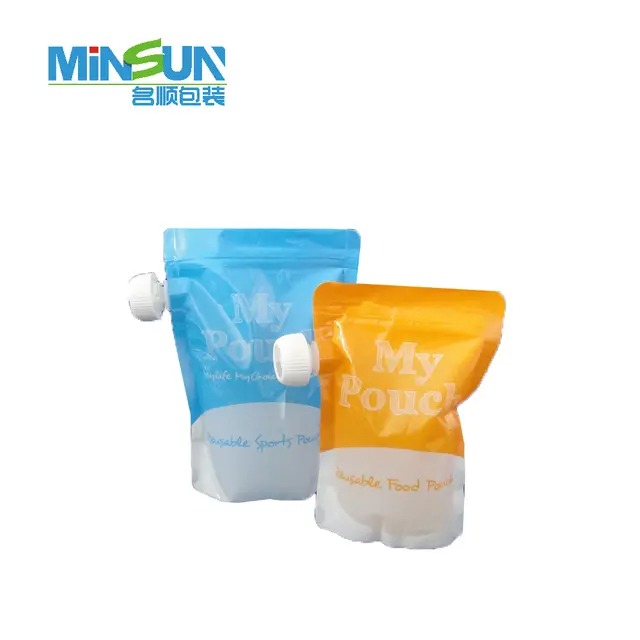
For startups or businesses producing small volumes, manual filling is a practical option. The process typically involves using a funnel or syringe-like tool to introduce the product through the spout. Liquids such as juices, oils, sauces, or lotions can be easily poured, while thicker products like gels or purees may require pressure-assisted filling tools. After filling, the pouch is sealed by securely tightening the cap or heat-sealing the top if the spout is attached later. This method is cost-effective but time-intensive, making it suitable only for limited production runs.
Semi-automatic filling machines offer a balance between efficiency and affordability. These machines hold the spout pouch in place and use a nozzle to dispense the product accurately into the pouch. Operators may still need to manually position the pouch and cap it afterward, but the filling itself becomes much faster and more precise. This method is ideal for businesses scaling up from hand-filling but not yet ready for full automation. Products like sauces, dairy alternatives, and liquid detergents often benefit from this system.
For large-scale manufacturing, fully automated spouted pouch filling machines are the gold standard. These machines can handle high-volume production, filling hundreds or thousands of pouches per hour. The process includes pouch loading, spout sterilization, filling, capping, and quality checking. Automation minimizes human error, reduces contamination risks, and ensures consistent fill levels. While the initial investment is significant, the long-term efficiency and cost savings justify the expense for businesses with high output demands.
| Filling System | Speed (pouches/hr) | Labor Requirement | Best For |
| Manual | 50–100 | High | Small startups, artisan products |
| Semi-Automatic | 500–1500 | Moderate | Growing businesses, medium-scale runs |
| Fully Automated | 3000+ | Low | Large manufacturers, export operations |
Before any filling process begins, preparation is essential. Properly sanitizing the spout and ensuring the pouch material is free of dust or residues prevents contamination. For liquid food products, sterilization may involve UV light or steam treatment. Checking pouch integrity by inspecting seals and seams reduces the risk of leakage. Additionally, adjusting the pouch stand-up base before filling ensures that the product settles evenly without collapsing the pouch structure.
Filling spout pouches requires careful attention to leak prevention. Overfilling can cause spillage during capping, while underfilling reduces perceived product value. Ensuring proper torque on caps avoids both loose seals and damaged threads. For sensitive products such as baby food or pharmaceuticals, nitrogen flushing may be used to reduce oxygen content and extend shelf life. Maintaining a hygienic filling environment is also critical to comply with food safety and regulatory standards.
Different products require different nozzles and equipment settings. Thin liquids may flow smoothly through standard nozzles, but viscous products like honey, creams, or detergent gels require wider nozzles and sometimes heated filling systems to reduce viscosity. Matching nozzle size to spout diameter prevents backflow and ensures smooth filling. Businesses should also consider scalability when selecting equipment—choosing machines that can adapt to different pouch sizes and spout designs ensures flexibility for future product lines.
| Product Type | Recommended Nozzle Size | Additional Considerations |
| Juices, Water | Small (3–5 mm) | Standard gravity or pump filling |
| Sauces, Purees | Medium (6–8 mm) | May require pressure-assisted filling |
| Honey, Gels | Large (10+ mm) | Heated systems recommended for flow |
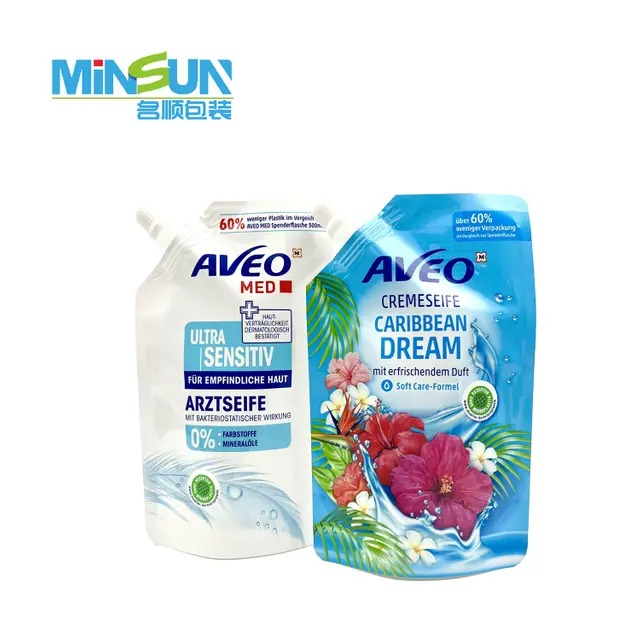
Once spout pouches are filled and capped, rigorous quality checks ensure product safety and packaging integrity. Leak testing involves applying pressure or using vacuum chambers to confirm seals hold under stress. Fill-level inspection ensures consistency across all pouches, while cap torque testing guarantees resealability. Many automated systems integrate these checks directly into the production line, but even small-scale operations should implement batch testing to maintain consumer trust.
Filling spout pouches effectively requires a clear understanding of pouch structure, the right choice of equipment, and adherence to strict hygiene and quality standards. From hand-filling for small-batch products to high-speed automated systems, each method has its advantages depending on production scale and product type. By following best practices for preparation, leak prevention, and nozzle selection, businesses can ensure that their spout pouches not only look professional but also protect their contents throughout the supply chain.
1. Can spout pouches be filled manually without special equipment?
Yes, small batches can be filled manually using funnels or syringes. However, this is labor-intensive and not suitable for high-volume production.
2. What products are best suited for spout pouches?
Spout pouches are ideal for liquids, semi-liquids, and viscous products such as juices, sauces, oils, detergents, and cosmetic creams.
3. How can I prevent leaks in spout pouches?
Avoid overfilling, ensure caps are properly tightened, and conduct quality checks like leak testing and torque testing.
4. What is the difference between semi-automatic and fully automated filling machines?
Semi-automatic machines require manual pouch placement and capping, while fully automated systems handle loading, filling, capping, and quality inspection at high speeds.
5. Are spout pouches environmentally friendly?
Compared to rigid packaging, spout pouches use less material and reduce shipping weight, making them a more sustainable choice, though recyclability depends on the film composition.
For beverage brands, sauce producers, refill brands, and contract packers, a spouted pouch is not only a printed container. It is a performance tool that affects filling speed, shelf display, shipping safety, consumer handling, and product protection. A design that looks attractive in a mockup may still fail if the film structure, pouch size, seal layout, and packing process are not reviewed together.
The keyword focus of this article is how to fill a spouted pouch, but the real buying decision is wider than one phrase. Buyers should connect the product use case with packaging structure. For liquid food, beverage, puree, sauce, detergent refill, and personal care liquid packaging, the pouch must match product weight, product texture, storage condition, and the way the pack will be opened and resealed.
A reliable packaging project starts with a clear product brief. The brief should include filling weight, target dimensions, material preference, shelf-life expectation, printing method, outer carton plan, retail channel, and transport route. This prevents confusion between design teams, purchasing teams, and the packaging manufacturer.
Before confirming a packaging order, buyers should review key specifications in writing. This is especially important for custom packaging because small differences in film thickness, zipper position, spout size, gusset depth, or sealing width can affect production results.
| Specification | Check Point |
|---|---|
| Bag Size | Match fill volume |
| Film Structure | Match product need |
| Seal Width | Support strength |
| Print Area | Keep key text clear |
| Closure Option | Match user habit |
| Carton Packing | Protect during transit |
These details should be confirmed before mass production. If the product is new, a sample test or pilot run is strongly recommended. A sample does not only show color and shape. It helps the buyer test how the pouch behaves when filled, handled, packed, and displayed.
Material selection is one of the most important parts of flexible packaging. A pouch can be made with different film layers depending on the product. Some products need moisture protection. Others need aroma retention, oxygen control, puncture resistance, grease resistance, or a smooth printing surface.
Buyers should not choose material only by appearance. A glossy finish, matte finish, kraft-paper look, or transparent window can help marketing, but the inside film structure must still protect the product. For food packaging, the material should support freshness, sealing, and safe handling. For hygiene packaging, moisture control and easy opening may be more important.
Sustainable packaging goals should also be discussed early. Some brands want recyclable structures, paper-based appearances, reduced plastic use, or mono-material solutions. These goals may affect barrier level and sealing performance, so they must be matched with real product requirements.
A good test plan helps prevent expensive packaging problems. It is better to find a weakness during sample testing than after thousands of printed bags have been produced. Testing should focus on the real way the pouch will be used.
| Test | Timing |
|---|---|
| Fill Trial | Before bulk order |
| Cap Torque Check | Before bulk order |
| Leak Test | Before bulk order |
| Drop Test | Before bulk order |
| Carton Packing Review | Before shipment |
| Retail Shelf Trial | Before launch |
The testing process should involve both the brand owner and the packaging supplier. When both sides review the same samples, it becomes easier to identify whether the issue is related to bag structure, filling equipment, product behavior, or transportation method.
Many packaging problems are caused by decisions made too late. For example, a buyer may approve artwork before confirming the zipper position, or choose a film before confirming shelf-life requirements. This can cause rework and delay the project.
| Risk | Action |
|---|---|
| Wrong Filling Temperature | Review early |
| Spout Contamination | Review early |
| Poor Cap Torque | Review early |
| Leakage After Filling | Review early |
| Late Artwork Change | Lock design |
| Missing Sample Test | Run trial |
Another common issue is focusing only on the lowest unit cost. A lower-cost pouch may create higher losses if it causes leakage, poor display, printing defects, weak seals, or slow filling. Buyers should compare packaging value by total performance, not by a single number.
Flexible packaging must protect the product, but it also needs to communicate clearly on the shelf. The front panel should show the brand name, product type, flavor or variant, net weight, and key selling point without visual clutter. The back panel can carry instructions, ingredients, barcode, certification marks, and production information.
For international buyers, language planning and regulatory text should be checked before printing. If the same pouch is used in several markets, the layout must leave enough space for multilingual information. High-quality printing can improve brand image, but accurate content is just as important.
Color proofing is also important. Digital artwork on a screen may not look the same after printing on film. Brands should review physical proofs or printed samples whenever possible. This helps avoid surprises in color, contrast, barcode readability, and logo sharpness.
Packaging should be designed around the filling line. A pouch that works well by hand may not work smoothly on automatic or semi-automatic equipment. Buyers should confirm filling opening, pouch stiffness, seal area, zipper position, spout position, and product drop behavior before final approval.
Sealing is especially important. If product dust, liquid, oil, or powder enters the seal area, leakage may occur. The pouch design should make it easier for operators or machines to keep the sealing zone clean. For some products, a wider seal area or different film layer may improve reliability.
After filling and sealing, the pouch must also survive carton packing and shipping. Upright display, flat packing, bulk stacking, and export transport may require different carton layouts. Good secondary packaging helps protect the pouch shape and printed surface during delivery.
Confirm product type, filling weight, and target shelf life.
Choose pouch structure according to storage and display needs.
Review film structure, sealing layer, and closure option.
Prepare artwork with correct dimensions and safe print margins.
Request physical samples before mass production.
Test filling, sealing, carton packing, and shelf presentation.
Confirm shipping marks, carton quantity, and pallet requirements.
Keep approved samples for future reorder comparison.
A: Buyers should confirm product weight, bag size, film structure, printing method, closure option, carton packing, and sample approval requirements before mass production.
A: Sample testing helps identify filling, sealing, display, and transportation issues before bulk production begins.
A: Sometimes it can, but each product should still be checked for weight, moisture level, shape, storage needs, and filling behavior.
A: Brands can improve shelf appeal with clear front-panel hierarchy, strong color control, readable text, and a pouch structure that stands or displays well.
A: Leakage may come from weak sealing, product contamination in the seal area, unsuitable material, poor closure design, or transport damage.
A: Buyers should keep approved samples, artwork files, material specifications, and carton details so future orders remain consistent.
A spouted pouch filling process succeeds when pouch structure, filling method, sealing control, and cap performance are tested as one system.
For brands working with custom flexible packaging, the most successful projects are built on early technical communication. When the buyer and supplier review size, material, printing, filling, and shipping together, the final pouch is more likely to perform well in production and in the market.
Deep packaging planning should connect the pouch specification with the full commercial journey of the product. A package may pass a simple visual check, but it still needs to perform through filling, sealing, storage, carton packing, palletizing, shipping, retail display, and end-user handling. For liquid food, beverage, puree, sauce, detergent refill, and personal care liquid packaging, every step can place different pressure on the pouch.
Buyers should begin by mapping the life cycle of the package. The first stage is production, where the pouch must be easy to open, fill, seal, and inspect. The second stage is logistics, where the pack must resist pressure, vibration, rubbing, and carton compression. The third stage is retail or e-commerce display, where the pack needs clear branding and stable appearance. The final stage is consumer use, where opening, pouring, resealing, and storage all affect satisfaction.
When these stages are reviewed together, the packaging decision becomes much clearer. A pouch that is excellent for shelf display may need extra strength for export shipping. A pouch designed for strong protection may need a better print layout to communicate product value. A pouch designed for easy filling may need a different closure to improve customer use. This is why professional packaging development should never rely on one factor alone.
Before approving a final pouch design, procurement teams should prepare a short but precise question list. This helps suppliers give clearer answers and helps buyers compare options more fairly.
What product weight or fill volume will each pouch carry?
Will the product be filled hot, cold, dry, wet, or dusty?
Does the product need moisture, oxygen, aroma, grease, or light protection?
Will the pouch be displayed upright, flat, hung, or packed in cartons?
Does the consumer need a zipper, tear notch, spout, handle, window, or easy-open feature?
Will the package be sold in supermarkets, online channels, foodservice, wholesale, or export markets?
Does the artwork need multiple languages, certification marks, QR codes, or regulatory text?
Has the sample been tested with the real product and the real filling method?
These questions reduce uncertainty. They also help avoid a common problem: approving a pouch based on appearance while leaving technical performance unresolved.
Sample review should be more than a quick look at print color. Buyers should handle the sample like a finished product. Fill it with the real product or the closest possible substitute. Check how the pouch stands, whether the seal area remains clean, whether the closure works smoothly, and whether the shape stays acceptable after handling.
If the pouch will be used for food, the buyer should also consider storage condition and shelf-life expectations. If the pouch will be used for wipes or liquid products, leak resistance and moisture retention are important. If the pouch will be used for bulk rice, grain, or pet food, load strength and stacking behavior should be reviewed. Each product category needs a slightly different sample test.
It is also helpful to compare the approved sample with future production. Keeping a signed reference sample allows the buyer and supplier to check color, material feel, size, seal quality, and workmanship during reorder production.
| Review Area | Buyer Focus |
|---|---|
| Appearance | Brand match |
| Structure | Stable shape |
| Sealing | Clean closure |
| Handling | Easy use |
| Logistics | Transit safety |
| Reorder | Batch consistency |
A high-quality spouted pouch should solve a real packaging problem rather than only looking attractive in a product photo. The strongest projects combine technical structure, clear branding, practical filling performance, and reliable supply planning. When these elements are aligned, the package can protect the product, support the brand, and make purchasing decisions easier for downstream customers.
Packaging decisions usually involve more than one department. Marketing teams may focus on appearance and brand story. Production teams may care about filling speed, sealing reliability, and waste reduction. Procurement teams may compare suppliers, order quantities, and lead times. Logistics teams may review carton strength and pallet loading. A successful spouted pouch project should bring these teams into the discussion early.
If each team reviews the package only at the end, changes can become expensive. For example, artwork may already be approved before the filling team discovers that the opening is too small. A carton plan may be finished before the logistics team notices that the pouch shape wastes space. Early alignment reduces these risks and improves the chance of a smooth launch.
Once a packaging design is approved, the buyer should keep a clear record of the final specification. This record may include bag size, material structure, print file version, surface finish, zipper or spout details, carton quantity, and approved sample photos. Good documentation is important because packaging orders are often repeated over months or years.
Without a controlled record, future reorders may slowly change. A small difference in film, printing color, or seal position can affect product presentation and customer trust. For how to fill a spouted pouch, repeatability is part of quality. The package should look and perform the same from one batch to the next unless the buyer requests a planned update.
Packaging should not be changed too often, but it should be reviewed when the product changes, the market changes, or customer feedback points to a problem. A brand may need to update size when fill weight changes. It may need a new material when shelf-life expectations increase. It may need a clearer front panel when retailers ask for stronger shelf visibility.
Updates should be managed carefully. Buyers should compare the old and new samples side by side, test both versions, and confirm that the new design improves performance without creating new problems. This method keeps packaging improvement practical and controlled.


