
- All
- Product Name
- Product Keyword
- Product Model
- Product Summary
- Product Description
- Multi Field Search


Views: 0 Author: Site Editor Publish Time: 2026-01-07 Origin: Site


Flexible packaging has become a leading choice for businesses looking for innovative, practical, and sustainable solutions. Among these options, stand-up pouches and flat-bottom pouches are two popular types, each offering distinct advantages. However, choosing between the two can be challenging for businesses, as each serves different purposes depending on the product. In this article, we will explore the key differences between stand-up pouches and flat-bottom pouches, including design, functionality, and best use cases. We will also discuss how these differences impact storage, branding, and cost.

A stand-up pouch is a flexible packaging solution designed to stand on its own when filled, thanks to a flat, gusseted bottom. It is commonly used for food and non-food products, such as snacks, beverages, and pet food. The self-standing feature makes it convenient for storage and display, reducing the need for extra support from shelves or racks.
Stand-up pouches are made from multiple layers of materials, including plastic, foil, and sometimes paper, to provide excellent barrier protection against moisture, light, and oxygen. The pouch is also resealable, which extends the product’s shelf life once opened.
The most common materials used in stand-up pouches include polyethylene (PE), polyester (PET), and aluminum foil. These materials are chosen for their ability to preserve the contents while being flexible and lightweight.
Customization options for stand-up pouches are vast. Businesses can choose from various sizes, colors, and designs, including options for zippers, spouts, and easy-tear notches. The flexibility in design allows brands to tailor the pouches to their product and marketing needs, creating a distinctive look on store shelves.
Pros:
● Space-Efficient: Stand-up pouches save space and are easy to store compared to rigid containers.
● Lightweight: They weigh less, reducing shipping costs.
● Convenient: Resealable features enhance consumer convenience and freshness.
Cons:
● Limited Weight Capacity: Stand-up pouches may not be ideal for very heavy products.
● Protection: While they offer some protection, fragile items may need extra care.
A flat-bottom pouch, like the stand-up pouch, is also designed for flexible packaging. However, unlike the stand-up pouch, this type features a flat bottom and four sealed sides, providing it with a more structured and stable shape. This structure makes it ideal for heavy-duty products and gives it a more premium look.
The flat bottom allows the pouch to stand upright without additional support, which is especially useful for larger volumes of products. These pouches are commonly used in industries such as coffee, grains, and pet food.
Flat-bottom pouches are typically made from the same materials as stand-up pouches: multi-layer plastics, laminates, or foil. The materials are selected for durability and to provide excellent barrier properties that keep products fresh.
Customization options for flat-bottom pouches include various sizes, colors, and printing designs. Flat-bottom pouches also offer features such as resealable closures, windows for visibility, and custom shapes for branding purposes.
Pros:
● Stability: The flat bottom provides greater stability, ensuring the pouch won’t tip over.
● Appealing Appearance: Flat-bottom pouches are often seen as higher-end packaging and can help elevate brand image.
● Capacity: They can hold more product compared to stand-up pouches, making them ideal for bulk items.
Cons:
● More Rigid: Flat-bottom pouches are less flexible than stand-up pouches, making them less suitable for some products.
● Heavier: Due to the added structure, these pouches may be slightly heavier and bulkier than stand-up pouches.
The most obvious difference between a stand-up pouch and a flat-bottom pouch lies in their design. While both are flexible pouches, the stand-up pouch has a gusseted bottom that expands to provide stability. In contrast, the flat-bottom pouch has a fully flat base, making it more rigid and structured.
Feature | Stand Up Pouch | Flat Bottom Pouch |
Bottom Type | Gusseted for expansion and flexibility | Flat for rigid structure and stability |
Structure | Flexible and lightweight | More stable and rigid |
Product Suitability | Best for lightweight products | Ideal for bulkier, heavier items |
Shelf Presence | Casual, modern appearance | Premium, structured appearance |
Stand-up pouches are generally more space-efficient. Their flexible, self-standing design allows for better storage and stacking in warehouses, and they fit better on retail shelves. Flat-bottom pouches, on the other hand, offer a more stable structure but are typically bulkier and take up more room.
Flat-bottom pouches provide a more professional and premium shelf presence due to their stable, upright position and higher capacity. This makes them an excellent choice for higher-end products, such as coffee or gourmet foods. Stand-up pouches, while also capable of standing, often appear more casual and are popular for snack foods and liquids.
Stand-up pouches tend to be more cost-effective due to their simpler design and lighter material use. Flat-bottom pouches, with their more rigid structure, typically cost more to produce, especially for bulkier or larger items. However, the higher cost can be justified by the pouch's premium appearance and increased capacity.
Feature | Stand Up Pouch | Flat Bottom Pouch |
Cost of Production | More affordable due to flexible design | Generally higher due to rigid structure |
Packaging Efficiency | More cost-efficient for storage and transport | Slightly bulkier, increasing storage costs |
Ideal for | Low-to-medium weight products | Heavy, premium products or larger quantities |
Stand-up pouches are best suited for lightweight products, such as snacks, dried fruits, beverages, and pet food. They are ideal for products that need frequent use and resealing, like chips or coffee. Their cost-effectiveness makes them ideal for mass production.
Flat-bottom pouches are ideal for bulkier items or products that need a premium appearance. They work well for coffee, grains, and larger quantities of pet food. Their stability makes them suitable for heavier products, ensuring they remain upright on shelves.
When choosing between a stand-up pouch and a flat-bottom pouch, consider the type of product, packaging requirements, and budget. For lightweight, cost-effective products, a stand-up pouch is ideal. If your product requires a higher-end presentation or larger capacity, then a flat-bottom pouch may be the better option.
Stand-up pouches are flexible, easy to store, and affordable. Their resealable features make them highly convenient for consumers, and they can be easily customized to suit different product types.
Flat-bottom pouches offer excellent stability and a premium appearance, making them ideal for high-end products. Their larger capacity allows for packaging of bulkier items.
Both types of pouches can have environmental concerns due to the use of plastic materials. Stand-up pouches are less suited for heavy products, while flat-bottom pouches may be more costly and rigid.
Both stand-up and flat-bottom pouches are evolving to include sustainable materials, such as biodegradable plastics and recyclable films. This shift is in response to growing environmental concerns and consumer preferences for eco-friendly packaging options.
Innovation in customization, such as enhanced designs, features like spouts or windows, and improved materials, will continue to drive demand for both pouch types. Businesses can expect even more adaptable and functional pouches in the future.
As consumer demand for sustainability rises, packaging designs will become more eco-friendly and functional. Expect stand-up and flat-bottom pouches to evolve with new materials and increased customization options to meet market needs.
Stand-up pouches and flat-bottom pouches each offer unique benefits depending on product type, brand strategy, and functional requirements. Stand-up pouches excel in flexibility and cost-effectiveness, while flat-bottom pouches offer stability and a premium presentation. Choosing between stand-up and flat-bottom pouches depends on your specific packaging needs. If your product needs an affordable, flexible solution, a stand-up pouch is ideal. If you need premium packaging with a larger capacity, go for the flat-bottom pouch.
Explore both stand-up and flat-bottom pouches from MIN SUN to find the best packaging solution for your business. Consider your product’s requirements and brand image to make the right choice and elevate your packaging today.
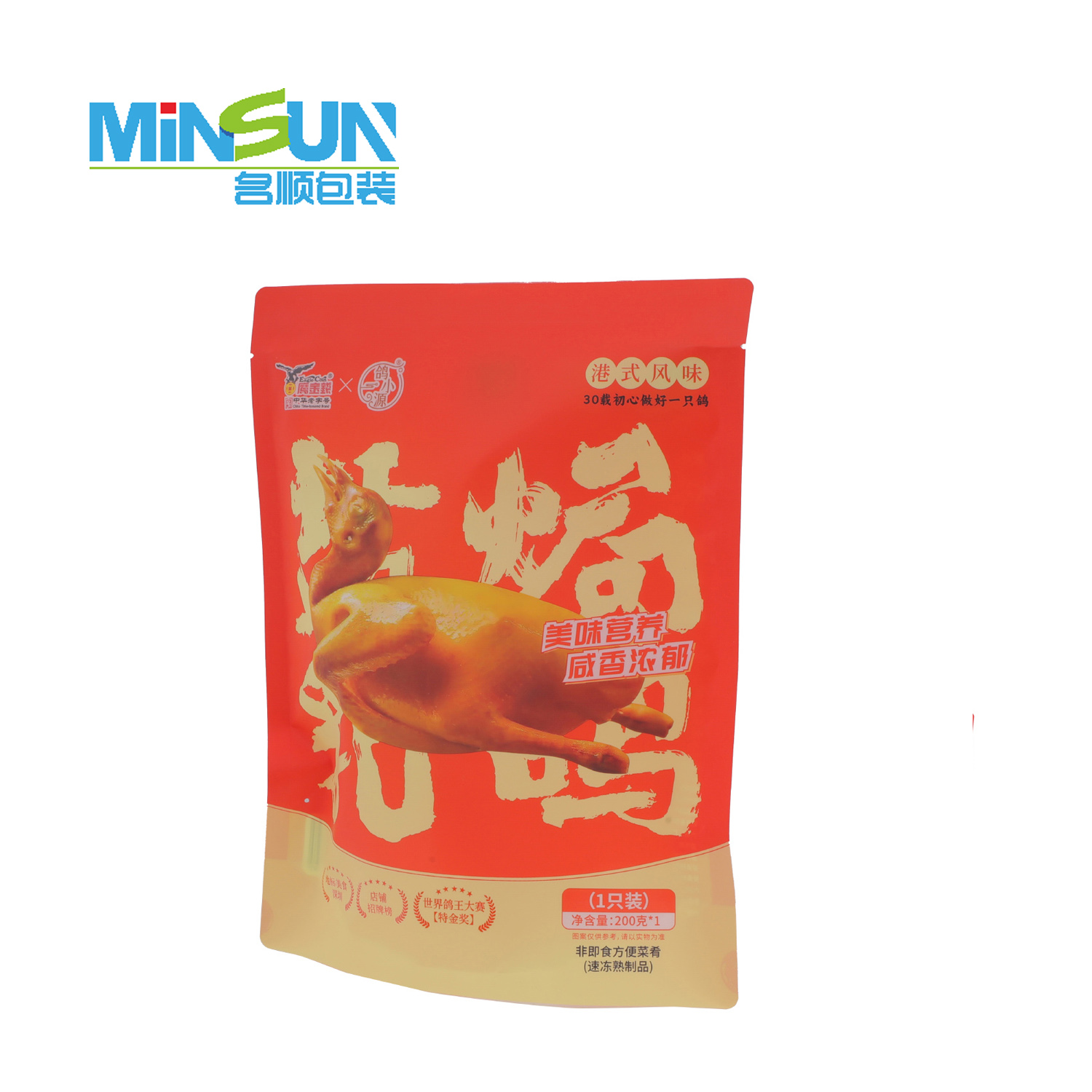
A: A stand up pouch is a flexible packaging solution that stands upright when filled, commonly used for food and non-food products. It is made from layers of materials that provide excellent barrier protection and often comes with resealable features for convenience.
A: Stand up pouches offer benefits such as space efficiency, lightweight design, and the ability to preserve product freshness. They are also customizable, making them an attractive option for packaging various consumer goods.
A: The main difference lies in their structure. A stand up pouch has a gusseted bottom that allows it to expand and stand, while a flat bottom pouch has a fully flat base for better stability, making it ideal for bulkier items.
A: Stand up pouches are more space-efficient and cost-effective for lightweight products. If you need a flexible, resealable option that fits easily on shelves, a stand up pouch is a great choice. Flat bottom pouches are better for heavier or premium items.


