
- All
- Product Name
- Product Keyword
- Product Model
- Product Summary
- Product Description
- Multi Field Search


Views: 0 Author: Site Editor Publish Time: 2026-01-19 Origin: Site


Stand-up pouches are widely used in packaging for various industries, offering convenience and flexibility. But do you know how to calculate their volume? Understanding the volume of a stand-up pouch is crucial for effective packaging and cost management. In this guide, we will walk you through the steps to calculate the volume of a stand-up pouch. You’ll learn the basic formula, tools for measurement, and key factors to ensure accurate calculations.
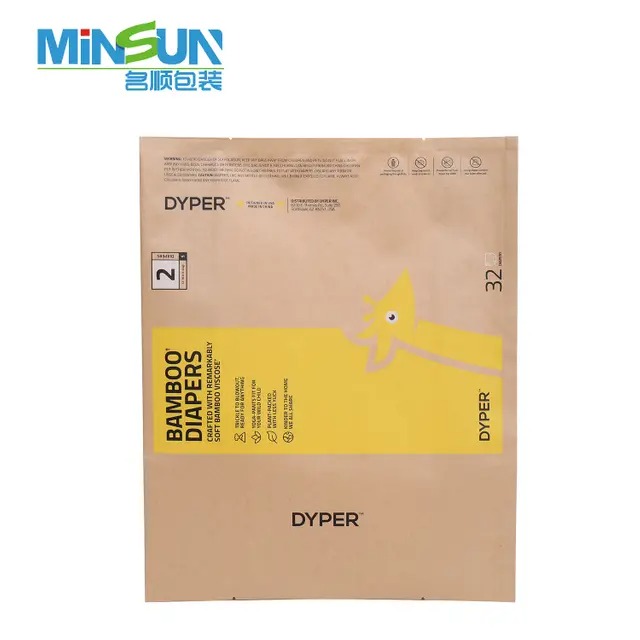
Stand-up pouches are a type of flexible packaging that stands upright on shelves, thanks to their gusseted bottoms. They are made from various materials, including plastic, foil, and laminated films, designed to preserve the contents inside. These pouches are often used for snacks, beverages, and other products where shelf stability and portability are important.
The main advantage of stand-up pouches is their ability to offer a large surface area for branding and marketing while maintaining a compact footprint. They are commonly found in food and beverage packaging, such as coffee, dried fruit, and drink mixes, as well as in pharmaceutical and cosmetic products.
Accurately calculating the volume of a stand-up pouch plays a crucial role in product packaging, cost estimation, and logistics. Understanding the total volume helps businesses ensure that their products fit optimally in the pouch, reducing material waste and improving packaging efficiency.
Volume calculations are also essential for estimating shipping costs, which are often determined by the size of the package. Additionally, businesses can use accurate volume measurements to make sure they are compliant with industry regulations regarding packaging sizes and labeling.
The material of the stand-up pouch, such as plastic or foil, can influence how the pouch holds its shape and impacts its volume. Flexible materials may collapse or compress under certain conditions, which should be accounted for when calculating volume. Furthermore, the shape of the pouch—flat or gusseted—also plays a role in how the volume is determined.
For example, a flat pouch will have a simple measurement of length x width x height, but a gusseted pouch requires additional consideration for the expandable sides. Understanding these nuances ensures an accurate volume measurement.
To calculate the volume of a stand-up pouch, you can use a basic formula: Length x Width x Height. This approach works best for pouches with simple shapes like flat or rectangular forms.
Length | Width | Height | Volume (in³) |
10 inches | 5 inches | 8 inches | 400 cubic inches |
This gives you the total internal volume of the pouch. However, this simple formula may not account for the gussets or more complex designs, which we'll address next.
Many stand-up pouches feature gussets—expandable sides that allow the pouch to hold more product and stand upright on a shelf. To calculate the volume of a gusseted pouch, you must account for the additional space these gussets create.
A common method to calculate the volume of a gusseted pouch is to use the following formula: [ \text{Volume} = (L \times W \times H) + (\text{Gusset} \times H) ]
The gusset width is added to the standard length measurement, and then the calculation includes the height of the pouch. This ensures the expanded space from the gusset is properly factored into the total volume.
Length | Width | Height | Gusset Width | Total Volume (in³) |
10 inches | 5 inches | 8 inches | 2 inches | 416 cubic inches |
The calculation for this gusseted pouch would be: [ (10 \times 5 \times 8) + (2 \times 8) = 400 + 16 = 416 \text{ cubic inches} ]
Let’s put this into a real-world example. Consider a stand-up pouch used for a beverage. The pouch has a gusset on each side, and the following measurements are provided:
Length | Width | Height | Gusset Width | Total Volume (in³) |
12 inches | 6 inches | 15 inches | 3 inches | 1125 cubic inches |
First, calculate the basic pouch volume: [ 12 \text{ in} \times 6 \text{ in} \times 15 \text{ in} = 1080 \text{ cubic inches} ]
Now, account for the gussets: [ 3 \text{ in} \times 15 \text{ in} = 45 \text{ cubic inches} ]
So the total volume would be: [ 1080 + 45 = 1125 \text{ cubic inches} ]
This volume calculation can help ensure the pouch is sized appropriately for the liquid or powder contents it is designed to hold.
3D scanners provide an advanced, accurate method for measuring the volume of stand-up pouches. These scanners use laser technology to capture the dimensions of the pouch in three-dimensional space. The software then calculates the total volume based on the scanned data.
● Extremely precise measurements
● Useful for irregular shapes or unique pouch designs
● Reduces human error in measurements
● Expensive equipment
● Requires technical knowledge to operate
For manufacturers with large volumes of products or unique packaging designs, investing in a 3D scanner can provide the most accurate results.
Manual tools like rulers, measuring tapes, and calipers are still commonly used for volume measurement, especially for simpler pouch designs. These tools are easy to use and affordable but can be prone to human error, especially when measuring complex designs or gussets.
Tool | Pros | Cons |
Rulers | Affordable, easy to use | Not as accurate for complex shapes |
Calipers | More accurate for specific measurements | Requires manual operation, prone to error |
Measuring Tapes | Useful for large pouches | Can be less precise for small details |
● Affordable and widely available
● Simple to use for straightforward designs
● Less accurate than automated methods
● Time-consuming for large-scale measurements
Several digital tools and apps are available to help businesses calculate the volume of stand-up pouches. These software solutions often allow users to input measurements and instantly calculate the volume, saving time and reducing the chances of error.
Software | Purpose | Best For |
SolidWorks | 3D modeling and volume calculations | Engineers and product designers |
Autodesk Inventor | Volume measurements for design models | Manufacturers needing precise calculations |
These tools are especially beneficial for manufacturers that need to calculate volumes regularly for different pouch designs.
The flexibility of materials used in stand-up pouches, such as plastic films, can impact volume measurements. Flexible materials may compress under pressure or over time, which means the pouch may not hold the exact volume it is calculated to have. This is particularly important for products that need to maintain their integrity during shipping and storage.
The tools you use for measuring a stand-up pouch’s volume play a significant role in the accuracy of the calculation. Precision instruments, such as digital calipers, offer higher accuracy compared to manual tools. Additionally, calibration of measuring tools is critical to ensure that they provide reliable results over time.
Stand-up pouches come in a variety of designs, and each design may require a different approach to volume calculation. For instance, pouches with spouts or zippers might need special consideration, as their unique features can affect the total volume that is usable.
Accurate volume calculations are essential for optimizing packaging. They ensure that the pouch can hold the right amount of product without excess empty space, reducing packaging material waste and making more efficient use of shelf space. Manufacturers can also optimize the filling process to minimize costs and improve product presentation.
Application | Benefit |
Packaging Optimization | Reduces waste, improves shelf space |
Cost Estimation | Accurate cost analysis for shipping and production |
Compliance | Meets regulatory standards |
By knowing the volume of a stand-up pouch, businesses can more effectively estimate costs related to packaging production and shipping. For example, the volume of the pouch determines the amount of material required for production, while the final size of the package impacts shipping costs. Understanding these factors helps businesses stay within budget.
In some industries, there are strict regulations regarding product packaging and labeling. Accurate volume calculations ensure that stand-up pouches comply with industry standards for labeling and packaging. For example, food products must list the exact weight or volume of the contents, which can only be achieved with precise volume measurement.
Many stand-up pouches come in irregular shapes or have additional features, such as spouts or zippers, which can complicate volume calculations. These design features may affect how the pouch holds its contents, making it challenging to calculate the true volume accurately. Manufacturers often need to experiment with different methods or use 3D scanners to get precise measurements.
There is a distinction between the total volume of a pouch and the usable volume—the actual amount of product the pouch can hold. Usable volume takes into account factors like the internal shape, gussets, and fill level. Businesses must calculate the usable volume to ensure that the product fits properly within the pouch and complies with regulatory requirements.
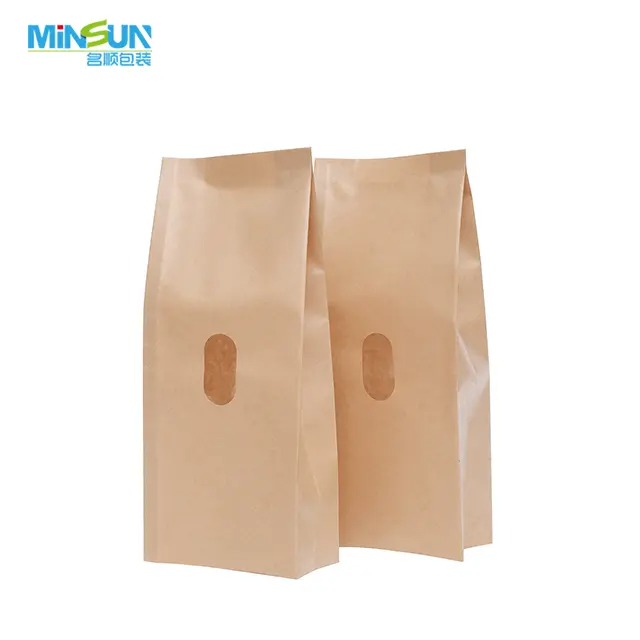
Calculating the volume of a stand-up pouch is an essential task for businesses involved in packaging. It ensures accurate product fit, optimizes shipping and storage, and helps control costs. By using the right tools and techniques, businesses can ensure their pouches are properly sized for the product they contain. To ensure accurate volume calculations, regularly calibrate your measuring tools and consider investing in 3D scanning technology for more complex designs. At Min Sun, we provide top-quality measuring tools and advanced 3D scanning technology to help you get the most precise pouch volume calculations, ensuring your packaging solutions are both efficient and cost-effective.
A: A stand-up pouch is a flexible packaging solution with a gusseted bottom that allows it to stand upright. Knowing the pouch volume is crucial for optimizing storage, shipping, and ensuring the correct amount of product is packaged.
A: To calculate the volume of a stand-up pouch, use the formula Length x Width x Height for simple shapes. For gusseted pouches, add the gusset width to the length and calculate the volume accordingly.
A: Gussets expand the pouch, increasing its volume. If you don’t account for this, your calculations will be inaccurate, leading to potential packaging inefficiencies.
A: The formula for calculating the volume of a gusseted stand-up pouch is (Length x Width x Height) + (Gusset Width x Height), which factors in the expandable sides.


