
- All
- Product Name
- Product Keyword
- Product Model
- Product Summary
- Product Description
- Multi Field Search


Views: 334 Author: Site Editor Publish Time: 2026-03-05 Origin: Site


Selecting the perfect packaging is a pivotal decision for any brand owner. It affects everything from shelf appeal to product freshness. Among the most popular choices in the flexible packaging industry are the Center Seal Bag and the Three-Side Seal Bag. While they might look similar at first glance, they offer vastly different mechanical advantages and aesthetic outcomes.
The Center Seal Bag (often called a fin-seal or pillow pouch) is a classic for high-volume items. Conversely, the three-side seal bag is known for its sleek, flat appearance and versatility. This guide provides an expert comparison to help you decide which structure fits your specific product needs. We will analyze durability, filling efficiency, and how to choose Food grade or Biodegradable options that align with your brand values.
The Center Seal Bag is constructed from a single web of film. The machine folds the film and creates a vertical seal down the back (the center). Finally, it closes the top and bottom. This creates a "pillow" effect that provides a Large capacity for bulky items.
Because the seal is in the back, the bag expands naturally when filled. This makes it a Heat sealable powerhouse for items like snacks, grains, or hardware components. It utilizes the material surface area more efficiently than flat pouches. Manufacturers often favor this design because it allows for a continuous high-speed production line.
Since there are no side seals, your branding can wrap around the edges smoothly. If you incorporate a Transparent window, it is usually placed on the front to show off the product while the "fin" stays tucked away at the back, maintaining a clean look for the consumer.
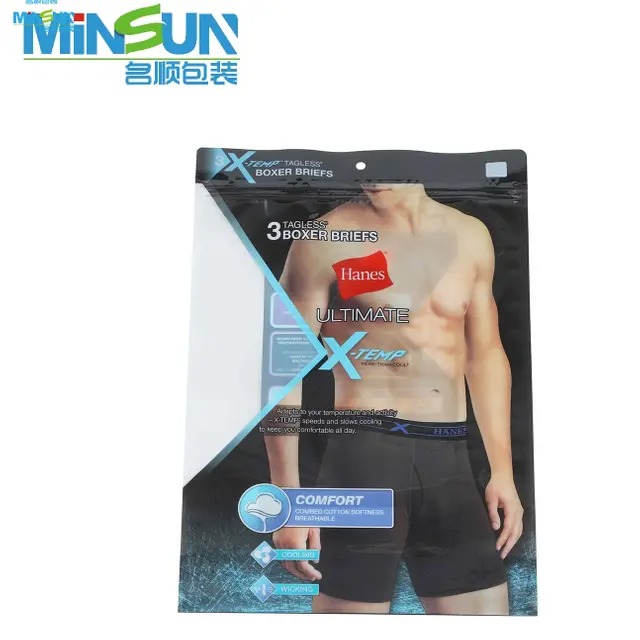
The three-side seal bag is the simpler cousin. It is made from two sheets of film sealed on three sides or one sheet folded and sealed on two sides plus the bottom. It stays flat, making it ideal for the medical, cosmetic, and specialty food industries.
These bags excel in hanging displays. They often feature a pre-punched hole for pegboard retail. While they lack the Large capacity of a Center Seal Bag, they offer superior rigidity. This makes them perfect for single-serve sachets or flat items like face masks.
Three-side seal pouches are highly Heat sealable and often utilize multi-layer laminates to keep oxygen out. They are frequently fitted with an Easy tear notch for quick access. Because the edges are sealed flat, they are very easy to store in shipping cartons without much wasted space.
| Feature | Center Seal Bag | Three-Side Seal Bag |
| Expansion | High (Pillow-like) | Minimal (Flat) |
| Fill Speed | Extremely Fast | Moderate |
| Retail Style | Shelf-sitting/Stacking | Hanging/Pegboard |
| Typical Use | Bulk snacks, Candy | Sachets, Medical, Samples |
If your business relies on high-volume throughput, the Center Seal Bag is likely your best friend. Its compatibility with Vertical Form Fill Seal (VFFS) machinery is unmatched.
The process is seamless. The film roll feeds into the machine, wraps around a forming tube, and creates the Center Seal Bag instantly. This automation reduces labor costs significantly. You can easily integrate an Easy tear notch into the top seal during the cutting process.
Three-side seal bags often require pre-made pouch fillers or horizontal machines. While these are precise, they generally cannot match the raw "bags-per-minute" speed of a VFFS system. If you are launching a Food grade product that needs to move fast from the factory to the store, the center-sealed structure is the industry standard for efficiency.
Sustainability is no longer a "nice-to-have." Consumers now demand that their stuffed animal packaging or snack pouches respect the planet.
Both bag styles can now be manufactured using Biodegradable materials like PLA or compostable kraft paper. However, sealing these materials requires precise temperature control. A Heat sealable Biodegradable film must be thick enough to maintain the structural integrity of a Center Seal Bag when it is full.
Ensuring your packaging is Food grade is non-negotiable. This means the resins and inks used must not migrate into the contents. We recommend choosing a Transparent window material that is also BPA-free. This allows consumers to see the quality of the food while ensuring the barrier remains intact.
How a customer interacts with your bag determines if they buy it again. Small features like a Transparent window or an Easy tear notch make a massive difference in user experience.
A Transparent window in a Center Seal Bag builds trust. It allows the customer to verify the texture and color of the contents. Experts suggest placing windows away from the seals to prevent the film from puckering or weakening during the Heat sealable process.
An Easy tear notch is a small V-shaped or laser-scored cut at the edge of the seal. Without it, a Food grade bag might be too tough to open by hand, frustrating the user. In center-sealed pouches, the notch is usually placed near the top horizontal seal. In three-side seal bags, it can be on either side of the vertical seams.
Volume is where the Center Seal Bag truly shines. If your product is lightweight but takes up space (like potato chips or popcorn), the "pillow" shape is a mechanical necessity.
A three-side seal bag is restricted by its flat edges. It can only hold so much before the seals begin to stress and leak. The Center Seal Bag uses side gussets (optional) or simply its natural rounded shape to provide Large capacity.
When you fill a bag with heavy items like coffee beans or pet food, the weight exerts pressure on the bottom seal. The Center Seal Bag distributes this pressure more evenly across the curved bottom, whereas a flat pouch puts all the stress on the corners. For Large capacity needs, the center-seal design is almost always more Durable.
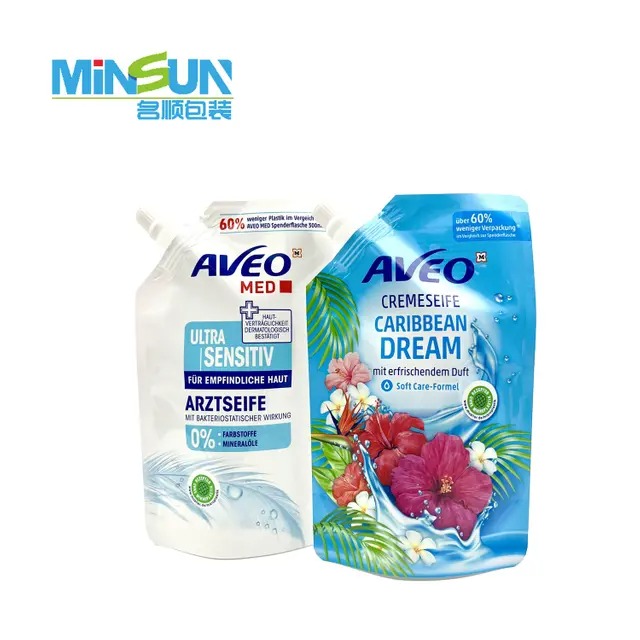
Different products require different "Expert Insights." Let's look at how these bags perform in the real world.
The Center Seal Bag is the go-to for coffee. It allows for a one-way degassing valve to be placed on the back near the fin seal. It keeps the product Food grade while allowing carbon dioxide to escape.
For chips and pretzels, the Large capacity and high-speed production of the Center Seal Bag make it the most cost-effective choice. It provides enough "air cushion" inside to prevent the snacks from being crushed during shipping.
Here, the three-side seal bag wins. It is elegant and fits easily into envelopes for mailing samples. You can use a Transparent window to show off a colorful lotion or shampoo.
Heavy bolts or small plastic parts benefit from the Heat sealable strength of a Center Seal Bag. They need a Durable skin that won't puncture, and the center seal provides a thick reinforcement point.
Deciding between a Center Seal Bag and a three-side seal pouch comes down to three factors: Volume, Speed, and Display.
Choose Center Seal if: You need Large capacity, have high-volume VFFS machines, and want a "pillow" look.
Choose Three-Side Seal if: You want a flat, premium appearance, need to hang products on pegs, or are producing small samples.
Both options offer Food grade safety and can be made from Biodegradable materials. Your choice should reflect your brand's shelf strategy and your factory's mechanical capabilities.
The Center Seal Bag remains a titan of the packaging world for its efficiency and volume. However, the three-side seal bag offers a sleekness that modern specialty brands crave. By understanding the Heat sealable properties and structural differences, you can select a package that protects your product and delights your customer. Whether you need a Transparent window to show off your goods or an Easy tear notch for convenience, the right bag is waiting for you.
Q1: Can a Center Seal Bag be made biodegradable?
Yes, we can use Biodegradable films like PLA or special kraft laminates. These materials still offer a Heat sealable finish but break down in industrial composting environments.
Q2: Is the Center Seal Bag safe for frozen food?
Absolutely. As long as the film is Food grade and designed for low temperatures, it remains Durable and prevents freezer burn.
Q3: Does a transparent window affect the strength of the bag?
If engineered correctly, no. We use high-quality lamination to ensure the Transparent window is as strong as the rest of the Center Seal Bag.
At our facility, we take pride in being a premier manufacturer of high-quality flexible packaging. We operate a modern, high-capacity factory equipped with the latest 10-color rotogravure printing presses and high-speed laminating machines. Our strength lies in our versatility; we produce everything from the Large capacity Center Seal Bag to intricate Biodegradable pouches with ease.
We understand the B2B landscape. That is why we offer a one-stop service from design and material selection to the final Heat sealable product. Our workshop follows strict Food grade standards (ISO and SGS certified) to ensure your products stay safe and fresh. With years of experience in the international market, we have the "Expert Insight" to help you scale your brand with packaging that is both functional and beautiful. We believe in providing Durable solutions that help your business stand out on the global stage.
For packaging planners, product developers, and sourcing teams, a center seal and three-side seal bags is not only a printed container. It is a performance tool that affects filling speed, shelf display, shipping safety, consumer handling, and product protection. A design that looks attractive in a mockup may still fail if the film structure, pouch size, seal layout, and packing process are not reviewed together.
The keyword focus of this article is center seal vs three-side seal bags, but the real buying decision is wider than one phrase. Buyers should connect the product use case with packaging structure. For snacks, sachets, hygiene products, refill packs, and retail samples, the pouch must match product weight, product texture, storage condition, and the way the pack will be opened and resealed.
A reliable packaging project starts with a clear product brief. The brief should include filling weight, target dimensions, material preference, shelf-life expectation, printing method, outer carton plan, retail channel, and transport route. This prevents confusion between design teams, purchasing teams, and the packaging manufacturer.
Before confirming a packaging order, buyers should review key specifications in writing. This is especially important for custom packaging because small differences in film thickness, zipper position, spout size, gusset depth, or sealing width can affect production results.
| Specification | Check Point |
|---|---|
| Bag Size | Match fill volume |
| Film Structure | Match product need |
| Seal Width | Support strength |
| Print Area | Keep key text clear |
| Closure Option | Match user habit |
| Carton Packing | Protect during transit |
These details should be confirmed before mass production. If the product is new, a sample test or pilot run is strongly recommended. A sample does not only show color and shape. It helps the buyer test how the pouch behaves when filled, handled, packed, and displayed.
Material selection is one of the most important parts of flexible packaging. A pouch can be made with different film layers depending on the product. Some products need moisture protection. Others need aroma retention, oxygen control, puncture resistance, grease resistance, or a smooth printing surface.
Buyers should not choose material only by appearance. A glossy finish, matte finish, kraft-paper look, or transparent window can help marketing, but the inside film structure must still protect the product. For food packaging, the material should support freshness, sealing, and safe handling. For hygiene packaging, moisture control and easy opening may be more important.
Sustainable packaging goals should also be discussed early. Some brands want recyclable structures, paper-based appearances, reduced plastic use, or mono-material solutions. These goals may affect barrier level and sealing performance, so they must be matched with real product requirements.
A good test plan helps prevent expensive packaging problems. It is better to find a weakness during sample testing than after thousands of printed bags have been produced. Testing should focus on the real way the pouch will be used.
| Test | Timing |
|---|---|
| Filling-Machine Check | Before bulk order |
| Seal-Layout Review | Before bulk order |
| Product Orientation Test | Before bulk order |
| Retail Display Trial | Before bulk order |
| Carton Packing Review | Before shipment |
| Retail Shelf Trial | Before launch |
The testing process should involve both the brand owner and the packaging supplier. When both sides review the same samples, it becomes easier to identify whether the issue is related to bag structure, filling equipment, product behavior, or transportation method.
Many packaging problems are caused by decisions made too late. For example, a buyer may approve artwork before confirming the zipper position, or choose a film before confirming shelf-life requirements. This can cause rework and delay the project.
| Risk | Action |
|---|---|
| Wrong Seal Position | Review early |
| Poor Filling Compatibility | Review early |
| Weak Display Format | Review early |
| Material Waste | Review early |
| Late Artwork Change | Lock design |
| Missing Sample Test | Run trial |
Another common issue is focusing only on the lowest unit cost. A lower-cost pouch may create higher losses if it causes leakage, poor display, printing defects, weak seals, or slow filling. Buyers should compare packaging value by total performance, not by a single number.
Flexible packaging must protect the product, but it also needs to communicate clearly on the shelf. The front panel should show the brand name, product type, flavor or variant, net weight, and key selling point without visual clutter. The back panel can carry instructions, ingredients, barcode, certification marks, and production information.
For international buyers, language planning and regulatory text should be checked before printing. If the same pouch is used in several markets, the layout must leave enough space for multilingual information. High-quality printing can improve brand image, but accurate content is just as important.
Color proofing is also important. Digital artwork on a screen may not look the same after printing on film. Brands should review physical proofs or printed samples whenever possible. This helps avoid surprises in color, contrast, barcode readability, and logo sharpness.
Packaging should be designed around the filling line. A pouch that works well by hand may not work smoothly on automatic or semi-automatic equipment. Buyers should confirm filling opening, pouch stiffness, seal area, zipper position, spout position, and product drop behavior before final approval.
Sealing is especially important. If product dust, liquid, oil, or powder enters the seal area, leakage may occur. The pouch design should make it easier for operators or machines to keep the sealing zone clean. For some products, a wider seal area or different film layer may improve reliability.
After filling and sealing, the pouch must also survive carton packing and shipping. Upright display, flat packing, bulk stacking, and export transport may require different carton layouts. Good secondary packaging helps protect the pouch shape and printed surface during delivery.
Confirm product type, filling weight, and target shelf life.
Choose pouch structure according to storage and display needs.
Review film structure, sealing layer, and closure option.
Prepare artwork with correct dimensions and safe print margins.
Request physical samples before mass production.
Test filling, sealing, carton packing, and shelf presentation.
Confirm shipping marks, carton quantity, and pallet requirements.
Keep approved samples for future reorder comparison.
A: Buyers should confirm product weight, bag size, film structure, printing method, closure option, carton packing, and sample approval requirements before mass production.
A: Sample testing helps identify filling, sealing, display, and transportation issues before bulk production begins.
A: Sometimes it can, but each product should still be checked for weight, moisture level, shape, storage needs, and filling behavior.
A: Brands can improve shelf appeal with clear front-panel hierarchy, strong color control, readable text, and a pouch structure that stands or displays well.
A: Leakage may come from weak sealing, product contamination in the seal area, unsuitable material, poor closure design, or transport damage.
A: Buyers should keep approved samples, artwork files, material specifications, and carton details so future orders remain consistent.
The right seal format depends on how the product is filled, displayed, shipped, opened, and used by the final customer.
For brands working with custom flexible packaging, the most successful projects are built on early technical communication. When the buyer and supplier review size, material, printing, filling, and shipping together, the final pouch is more likely to perform well in production and in the market.
Deep packaging planning should connect the pouch specification with the full commercial journey of the product. A package may pass a simple visual check, but it still needs to perform through filling, sealing, storage, carton packing, palletizing, shipping, retail display, and end-user handling. For snacks, sachets, hygiene products, refill packs, and retail samples, every step can place different pressure on the pouch.
Buyers should begin by mapping the life cycle of the package. The first stage is production, where the pouch must be easy to open, fill, seal, and inspect. The second stage is logistics, where the pack must resist pressure, vibration, rubbing, and carton compression. The third stage is retail or e-commerce display, where the pack needs clear branding and stable appearance. The final stage is consumer use, where opening, pouring, resealing, and storage all affect satisfaction.
When these stages are reviewed together, the packaging decision becomes much clearer. A pouch that is excellent for shelf display may need extra strength for export shipping. A pouch designed for strong protection may need a better print layout to communicate product value. A pouch designed for easy filling may need a different closure to improve customer use. This is why professional packaging development should never rely on one factor alone.
Before approving a final pouch design, procurement teams should prepare a short but precise question list. This helps suppliers give clearer answers and helps buyers compare options more fairly.
What product weight or fill volume will each pouch carry?
Will the product be filled hot, cold, dry, wet, or dusty?
Does the product need moisture, oxygen, aroma, grease, or light protection?
Will the pouch be displayed upright, flat, hung, or packed in cartons?
Does the consumer need a zipper, tear notch, spout, handle, window, or easy-open feature?
Will the package be sold in supermarkets, online channels, foodservice, wholesale, or export markets?
Does the artwork need multiple languages, certification marks, QR codes, or regulatory text?
Has the sample been tested with the real product and the real filling method?
These questions reduce uncertainty. They also help avoid a common problem: approving a pouch based on appearance while leaving technical performance unresolved.
Sample review should be more than a quick look at print color. Buyers should handle the sample like a finished product. Fill it with the real product or the closest possible substitute. Check how the pouch stands, whether the seal area remains clean, whether the closure works smoothly, and whether the shape stays acceptable after handling.
If the pouch will be used for food, the buyer should also consider storage condition and shelf-life expectations. If the pouch will be used for wipes or liquid products, leak resistance and moisture retention are important. If the pouch will be used for bulk rice, grain, or pet food, load strength and stacking behavior should be reviewed. Each product category needs a slightly different sample test.
It is also helpful to compare the approved sample with future production. Keeping a signed reference sample allows the buyer and supplier to check color, material feel, size, seal quality, and workmanship during reorder production.
| Review Area | Buyer Focus |
|---|---|
| Appearance | Brand match |
| Structure | Stable shape |
| Sealing | Clean closure |
| Handling | Easy use |
| Logistics | Transit safety |
| Reorder | Batch consistency |
A high-quality center seal and three-side seal bags should solve a real packaging problem rather than only looking attractive in a product photo. The strongest projects combine technical structure, clear branding, practical filling performance, and reliable supply planning. When these elements are aligned, the package can protect the product, support the brand, and make purchasing decisions easier for downstream customers.


