
- All
- Product Name
- Product Keyword
- Product Model
- Product Summary
- Product Description
- Multi Field Search
Views: 0 Author: Site Editor Publish Time: 2026-07-21 Origin: Site


Retail and e-commerce brands face a tough challenge today. They must constantly balance striking shelf visibility against sustainable branding and reliable product protection. Modern shoppers want to see exactly what they buy. At the same time, they demand eco-friendly materials and minimal plastic waste. Enter the windowed kraft bag. This hybrid solution pairs the rustic, natural look of paper packaging with a clear viewing panel. It lets consumers inspect the contents directly before making a purchase decision.
Before you secure these Paper Packaging Bags at scale, you need a clear procurement strategy. Our comprehensive guide helps buyers evaluate complex material specifications. We will explore structural variations, barrier limitations, and strict food-safety compliance requirements. You will learn how to choose the right packaging architecture to protect your specific product while maximizing retail impact.
Material composition matters: True sustainability depends on the window material (PET plastic vs. compostable PLA).
Structure dictates application: Stand-up pouches with ziplocks suit granular/loose items, while flat bags suit single-serve bakery goods.
Barrier limitations exist: Unlined kraft paper is not naturally grease or moisture-proof; specific linings are required for high-fat or high-moisture foods.
Compliance is non-negotiable: Sourcing verifiable food-grade materials is critical to prevent contamination and ensure regulatory adherence.
Every reliable packaging decision starts at the raw material level. You need to understand how each distinct layer functions under stress. A standard multi-layer bag relies on three specific components. They work together to protect your product from degradation while attracting buyers on crowded retail shelves. Let us break down the exact anatomy of these popular containers.
The Outer Layer: Brands usually choose between natural brown or bleached white kraft paper. Brown offers a rustic, organic aesthetic highly favored by artisanal brands. Bleached white provides a much cleaner canvas for vibrant, multi-color printing. Paper thickness matters immensely here. We measure this thickness in grams per square meter (GSM). A higher GSM (typically around 120 GSM for premium bags) means a thicker, more rigid container. Low GSM options might save money upfront, but they frequently tear during rough transit. We highly recommend testing different weights based on your exact product mass.
The Window Panel: Consumers absolutely love visual transparency. Incorporating a clear viewing panel into Windowed Food Kraft Paper Packaging Bags actively drives retail display appeal. You essentially have two main material choices here. Traditional PET (polyethylene terephthalate) windows offer incredible durability and low manufacturing cost. They resist scratching and maintain crystal clarity under tough retail lighting. On the other hand, PLA (polylactic acid) greatly appeals to eco-conscious brands. Suppliers derive PLA from renewable resources like fermented corn starch. However, buyers must know PLA can become brittle under extreme cold or warp under high heat.
The Inner Lining: Kraft paper alone cannot adequately protect sensitive goods. It requires an integrated inner barrier. A PE (polyethylene) coating or a thin foil lining proves strictly necessary. These specialized linings block invasive oxygen and ambient moisture. Without them, your premium products will quickly go stale, clump, or lose their aromatic profiles completely.
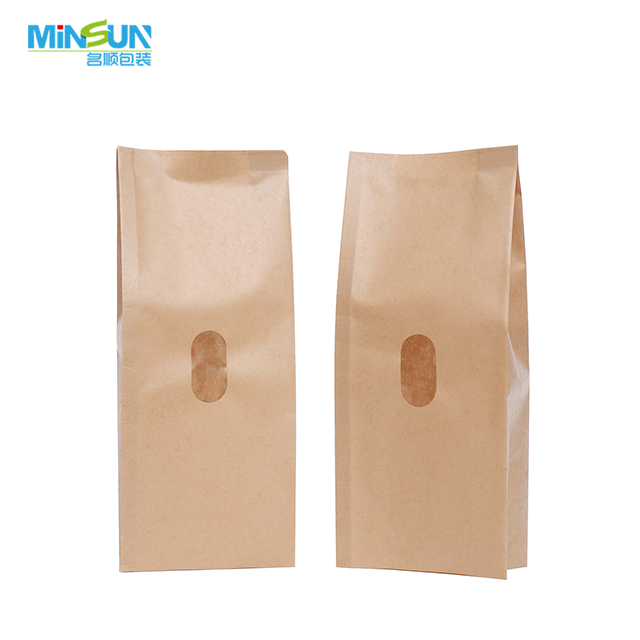
Structure fundamentally determines functionality in retail packaging. You cannot use the exact same bag shape for every item in your catalog. The physical form must perfectly match both the product type and the intended consumer experience. Choosing the wrong structural format leads to poor shelf placement and frustrated end-users.
Stand-Up Pouches (Gusseted): Bottom-gusset designs completely dominate modern retail shelves. They allow the bag to stand upright independently once filled. This vertical stance maximizes critical billboard space for your custom branding. Standard capacities typically range from small 8 oz trial sizes to large 1 lb bulk formats. Stand-up pouches securely hold granular or loose items without spilling. They remain the ideal structural choice for premium roasted coffee, mixed nuts, and gourmet snack bites.
Flat Pouches/Bags: Flat-lay designs serve an entirely different purpose. They completely lack an expandable bottom gusset and lie flat upon retail counters. We typically deploy them for low-volume, lightweight, or single-use items. Think of fresh bakery cookies, spice rubs, or small cosmetic bath salts. They cost significantly less to manufacture and ship due to their reduced material footprint. However, they lack the strong, independent shelf presence of a premium stand-up pouch.
Closure Mechanisms: How a consumer reseals the package directly impacts perceived freshness. You essentially have three main operational options to evaluate:
Heat-sealing: This provides vital tamper evidence. It absolutely guarantees factory freshness upon initial opening, reassuring cautious buyers.
Resealable zip-locks: These are highly popular for multi-serving snacks. They easily extend product life post-opening. However, ensure the factory securely welds the track to the paper to prevent detachment.
Tin-ties: Roasters often use these for premium whole-bean coffee. They allow users to roll the bag down tightly, physically squeezing out excess ambient air.
Packaging must ultimately keep food completely safe for consumption. It is never just about looking attractive on a boutique shelf. Premature product degradation represents a massive business problem that leads to costly returns and bad reviews.
Shelf-Life Realities: You must deeply understand material limitations. Windowed bags naturally compromise barrier integrity compared to fully opaque structures. Destructive UV light constantly enters through the clear panel. Furthermore, oxygen permeates slightly faster around the microscopic seams where the window meets the paper. You must constantly weigh desired shelf life against necessary visual appeal. A fully foil-lined mylar bag offers maximum long-term protection. Conversely, a windowed bag sacrifices a few months of longevity to build immediate consumer trust.
Grease and Moisture Resistance: Standard raw kraft acts like a sponge. It absorbs oil almost instantly. It fails completely when holding greasy foods like fried snacks, buttery cookies, or heavily roasted coffee beans. We must provide transparent guidance here. Always specify a dedicated grease-resistant inner coating during procurement. A thick PE, PP, or PLA layer actively prevents unsightly grease stains from ruining the exterior presentation.
Regulatory Focus: Compliance remains absolutely non-negotiable across global markets. Contaminated packaging permanently ruins established brand reputations. We heavily emphasize the critical importance of requesting verifiable FDA or equivalent food-contact compliance certifications. Always ask your manufacturing partners for detailed lab documentation when sourcing Food Packaging Bags. You must actively verify their safety claims rather than relying on generic verbal assurances.
Understanding barrier levels helps you make the right technical selection. Review the basic material comparison below to align your product with the appropriate window technology.
Window Material | Clarity Level | Moisture Barrier | Durability | Eco-Profile |
|---|---|---|---|---|
Standard PET | High | Excellent | High (Scratch-resistant) | Petroleum-based (Non-compostable) |
Plant-based PLA | Medium-High | Moderate | Medium (Can be brittle) | Industrially Compostable |
Brands frequently fall into the dangerous greenwashing trap today. Marketing teams love to promote packaging as universally eco-friendly. Unfortunately, the mechanical reality of waste management proves much more complex than simple marketing slogans suggest.
End-of-Life Disposal: Take an evidence-based, skeptical approach to "100% recyclable" claims. Consumers cannot easily recycle mixed-material bags. Standard municipal recycling facilities consistently struggle to process them. Optical sorting machines cannot easily separate plastic windows from bonded paper bases. As a result, consumers usually must rip the window out manually before sorting. Realistically, very few people actually take this tedious extra step, sending the whole bag to landfills.
Compostability Requirements: PLA windows genuinely offer a greener alternative. However, you must carefully clarify the strict environmental conditions required. PLA needs high-heat industrial composting facilities to break down properly. Strongly avoid exaggerated "backyard compostable" claims. Your packaging will not degrade quickly in a cold home garden compost bin. Always verify any compostability claims through reputable, independent certifications like BPI or TUV Austria.
Success Criteria for Eco-Branding: How do you succeed without misleading your buyers? Align packaging choices with your actual corporate sustainability metrics. Do not overpromise environmental benefits. Instead, clearly educate your buyers on the packaging exterior itself. Tell them exactly how to disassemble and dispose of the materials locally. Honest, transparent communication builds stronger long-term customer loyalty than fake greenwashing ever will.
Buying complex packaging at commercial scale requires meticulous planning. You must strategically balance your branding desires against strict budget constraints and supply chain realities. Procurement teams face multiple variables during the sourcing process.
Custom Printing & Branding: You have several distinct printing options available. Flexographic printing works incredibly well for high volumes, offering low per-unit costs once plates are made. Digital printing handles short runs and multiple flavor SKUs easily without expensive setup fees. Hot stamping adds premium metallic accents to logos. Keep in mind exactly how wet ink interacts with rough kraft textures. Vibrant colors often appear slightly muted or darker on unbleached brown paper. We strongly recommend requesting a physical color proof first.
MOQs and Scalability: Always set realistic operational expectations for Minimum Order Quantities (MOQs). Purchasing generic, blank stock bags from local distributors usually requires very low MOQs. You can often buy just a few hundred units for initial market testing. Conversely, fully custom manufactured runs demand much higher volume commitments. Overseas factories often require 10,000 to 30,000 units just to start the machines for custom prints.
Shortlisting Next Steps: Vetting new suppliers takes considerable effort. When you prepare to procure Paper Packaging Bags for a major product launch, follow a strict, disciplined process. Use this quick validation checklist:
Request blank physical sample kits to manually feel the GSM thickness.
Test the closure integrity by filling sample bags with your actual product and dropping them.
Verify inner barrier specs through accelerated shelf-life testing over a 30-day period.
Confirm all necessary food-contact certifications and factory audit reports before signing a contract.
Windowed kraft bags represent a highly strategic compromise in the retail sector. They perfectly bridge the gap between necessary visual merchandising and a desirable eco-aesthetic. You successfully give consumers the physical transparency they crave while maintaining an organic, trustworthy brand image.
However, you must consistently prioritize internal barrier requirements over pure outward aesthetics. A beautiful, rustic bag means absolutely nothing if the premium food inside goes stale or rancid. Always diligently match the inner lining to your specific product's moisture, oxygen, and grease vulnerability levels.
To move forward successfully, take these action-oriented next steps:
Audit your current product shelf-life requirements.
Identify the exact grease and moisture barrier levels your food demands.
Request a comprehensive sample kit from a certified packaging manufacturer.
Consult a dedicated packaging engineer to run real-world tests before scaling up.
A: Only if they are manufactured with a specialized PE, PP, or PLA inner lining. Unlined kraft will instantly absorb grease, create unsightly stains, and completely compromise the packaging structure.
A: In most standard municipal recycling programs, mixed-material bags cannot be recycled easily. The window must usually be removed by the consumer first, unless both materials are certified compostable.
A: PET is a standard, petroleum-based plastic offering exceptionally high clarity and scratch durability. PLA is plant-derived (typically from cornstarch) and industrially compostable, but it can be more brittle and sensitive to high heat.


