
- All
- Product Name
- Product Keyword
- Product Model
- Product Summary
- Product Description
- Multi Field Search


Views: 176 Author: Site Editor Publish Time: 2025-12-03 Origin: Site


The success of a food product does not rely solely on taste or nutritional value. In today’s competitive market, the packaging often decides whether a product captures attention and builds consumer trust. A food packing bag acts as more than just a protective layer; it communicates brand identity, safeguards freshness, and ensures compliance with food safety standards. Choosing the right bag for your product means balancing functionality, cost, sustainability, and aesthetics.
Before comparing materials or designs, it’s important to understand the fundamental role that a food packing bag plays. At its core, packaging must preserve quality by protecting against oxygen, moisture, and contamination. It must also extend shelf life, whether the food is perishable, frozen, or dry. Beyond protection, the bag influences customer perception—its design, feel, and convenience features can drive repeat purchases. Businesses should view food packaging as both a functional necessity and a marketing tool, ensuring that it complements product quality while reinforcing brand values.
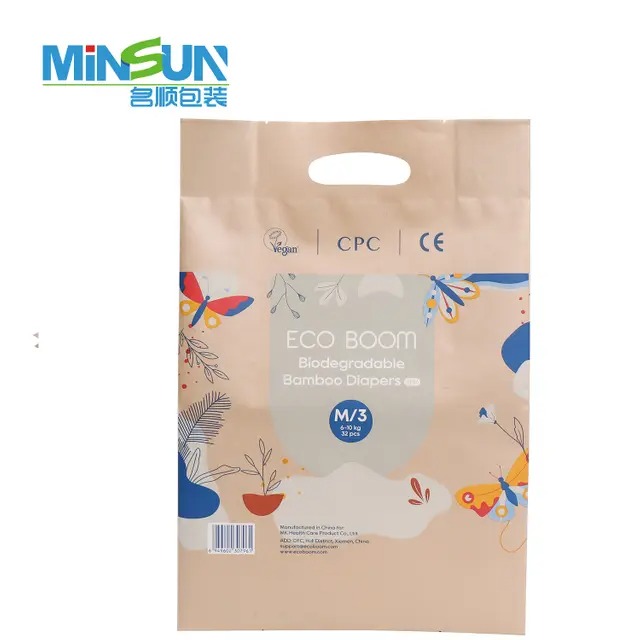
Not every food item requires the same level of protection or presentation. The choice of material directly affects shelf life, cost, and consumer satisfaction. Below is a comparison of common food packing bag materials:
| Material | Best For | Advantages | Limitations |
|---|---|---|---|
| Plastic (PE, PET) | Snacks, frozen foods | Lightweight, low cost, flexible | Environmental concerns |
| Paper | Bakery, dry goods | Eco-friendly, printable | Limited barrier protection |
| Foil | Coffee, spices | Strong barrier against light, oxygen | Higher cost, less flexible |
| Biodegradable Films | Organic products | Sustainable, consumer appeal | Shorter shelf life |
A clear understanding of your product’s needs—whether moisture resistance for chips or airtight sealing for coffee—ensures that the material you select supports both quality preservation and marketing goals.
Barrier protection is one of the most critical aspects of food packaging. Oxygen and moisture can spoil products quickly, leading to financial losses and reputational damage. For instance, roasted coffee requires multi-layer foil bags to prevent oxidation, while fresh produce may benefit from breathable bags that release ethylene gas. When evaluating a food packing bag, businesses should assess oxygen transmission rate (OTR) and moisture vapor transmission rate (MVTR). These metrics indicate how effectively a bag prevents spoilage. Selecting the appropriate barrier ensures the product stays fresh from the factory shelf to the consumer’s kitchen.
An effective food packing bag must fit the product perfectly while offering convenience to consumers. Oversized bags waste material and increase costs, while undersized bags can compromise protection. Features such as resealable zippers, spouts, or handles add functional value, especially for products consumed gradually, such as nuts, pet food, or frozen vegetables. Moreover, shape influences both shelf visibility and storage efficiency. Stand-up pouches, for example, enhance branding visibility in supermarkets, while flat pouches are more cost-effective for single-use items. Functionality must be balanced with cost considerations to maximize impact.
Today’s consumers are increasingly concerned about the environmental footprint of packaging. Many businesses are transitioning from single-use plastics to recyclable or biodegradable food packing bags. However, sustainability should not compromise performance—an eco-friendly bag must still protect freshness and food safety. Companies should also consider certifications like FSC (Forest Stewardship Council) for paper or compostability labels for bioplastics. Aligning packaging choices with sustainability goals can enhance brand reputation and appeal to eco-conscious consumers without sacrificing product integrity.
A food packing bag also serves as a marketing canvas. Its colors, typography, and design elements influence buying decisions within seconds. Transparent windows can showcase product quality, while matte finishes create a premium feel. Packaging should clearly communicate product information such as ingredients, nutritional values, and expiration dates, ensuring regulatory compliance. The balance between aesthetics and clarity is crucial—overly cluttered designs may confuse buyers, while minimalistic yet informative packaging can stand out in crowded aisles. A strong design elevates the product, making packaging as much a sales driver as an informational tool.
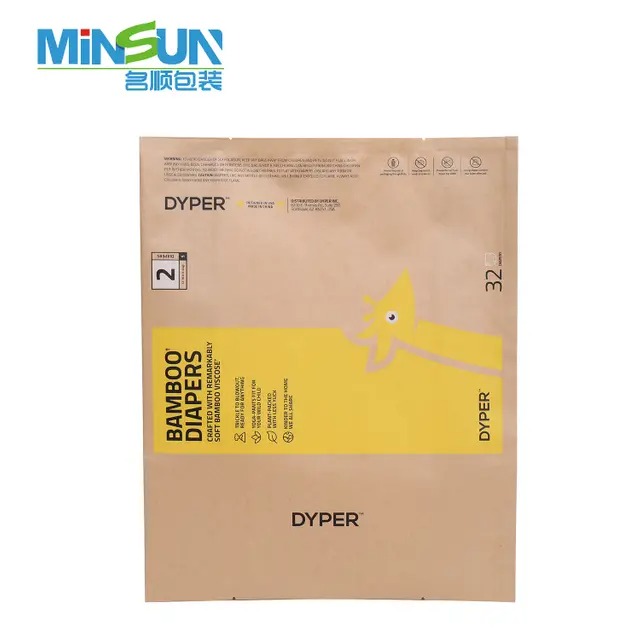
Budget plays a significant role in choosing packaging. While advanced multilayer films or compostable bags may be more expensive, they can reduce waste, improve shelf life, and increase consumer loyalty. To make informed decisions, businesses should compare costs against long-term benefits. Below is a simple overview:
| Bag Type | Cost Range | Performance Level | Best For |
|---|---|---|---|
| Single-layer plastic | Low | Basic protection | Snacks, candies |
| Multi-layer foil laminate | Medium–High | Excellent barrier | Coffee, spices |
| Recyclable paper/bioplastic | Medium | Eco-friendly, good barrier | Organic, premium products |
This cost-benefit analysis helps align packaging strategy with both financial constraints and consumer expectations.
Food packaging must comply with strict regulations to ensure consumer safety. Materials should be food-grade certified, resistant to contamination, and compliant with FDA or EU standards. Businesses must also consider labeling regulations, such as allergen disclosures and expiration dates. Non-compliance can lead to recalls, fines, or reputational damage. Therefore, choosing a food packing bag is not only about aesthetics and cost but also about legal responsibility. Partnering with reputable suppliers ensures that your packaging meets international standards and protects both consumers and your brand.
Choosing the right food packing bag is a strategic decision that impacts product safety, consumer trust, and brand growth. From material selection and barrier protection to design and sustainability, every aspect of packaging must be carefully aligned with product needs and market expectations. Businesses that invest in thoughtful packaging solutions not only preserve freshness but also stand out in competitive markets. Ultimately, the right packaging turns food into a memorable product experience, driving both sales and customer loyalty.
Q1: What type of food packing bag is best for perishable items?
Multi-layer plastic or foil bags with strong barrier protection are ideal for perishable products, as they extend shelf life and reduce spoilage.
Q2: How can I make my food packing bag eco-friendly?
You can opt for recyclable paper, biodegradable films, or compostable bioplastics. Make sure they still provide adequate barrier protection for your product.
Q3: Are resealable food packing bags worth the extra cost?
Yes, for products that are consumed over multiple servings, resealable features improve convenience and preserve freshness, increasing customer satisfaction.
Q4: Do food packing bags affect brand perception?
Absolutely. Packaging design, materials, and functionality all influence consumer trust and buying decisions. Premium-looking packaging can justify higher prices.
Q5: How do I ensure my food packing bag meets safety standards?
Work with certified suppliers and confirm that materials comply with FDA, EU, or relevant regional food safety regulations. Proper labeling and testing are also essential.


