
- All
- Product Name
- Product Keyword
- Product Model
- Product Summary
- Product Description
- Multi Field Search


Views: 334 Author: Site Editor Publish Time: 2026-03-13 Origin: Site


The Center Seal Bag, also known as a T-seal or pillow pouch, is a staple in the flexible packaging industry. From snacks to industrial components, its simple yet robust design offers a Large capacity while maintaining structural integrity. However, producing a High-quality center seal pouch is not a simple matter of folding plastic. It requires a precise, multi-stage manufacturing process that balances temperature, pressure, and material science.
In this guide, we take you through the factory floor to explore the step-by-step creation of a professional-grade Center Seal Bag. We will look at how manufacturers ensure a Food grade environment, the integration of an Easy tear notch, and the shift toward Biodegradable substrates. Whether you are a procurement officer or a brand owner, understanding this process helps you identify true quality and avoid common packaging failures.
Every Center Seal Bag begins with the selection of the substrate. This choice dictates the bag's barrier properties, its shelf life, and its environmental footprint. Professionals do not just look at thickness; they evaluate the laminate structure to ensure it meets the specific needs of the product.
For edible products, the material must be Food grade certified. This usually involves a multi-layer lamination of PET, VMPET, and PE. The inner layer must be Heat sealable to ensure the center seam and end seals are airtight. If the product is light-sensitive, like coffee, a foil layer is added. For products where visual appeal is key, a Transparent window can be integrated by laser-cutting the metalized layer or using clear barrier films.
Today, many brands are requesting a Biodegradable Center Seal Bag. These are made from PLA (Polylactic Acid) or specialized paper laminates. While these materials are Eco-friendly, they require different tension settings during the manufacturing process because they are more sensitive to heat and stretching than traditional plastics.
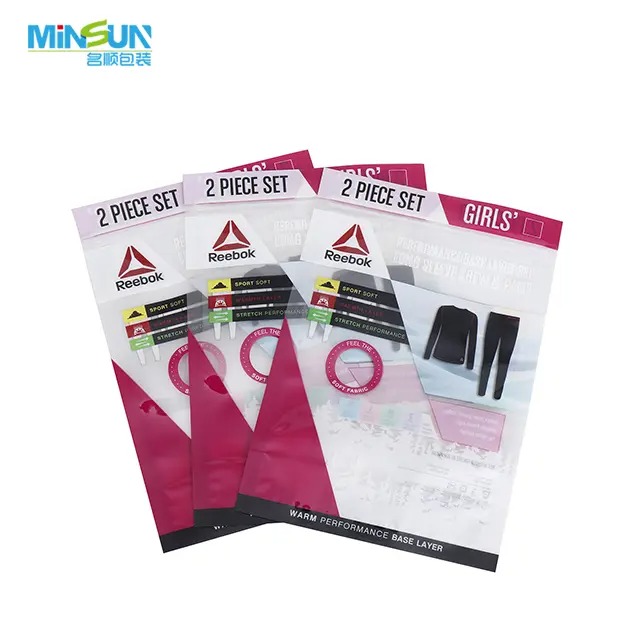
Before the machines start humming, the design must be optimized for the center seal format. Unlike stand-up pouches, a Center Seal Bag has a seam running down the back. This means the artwork must be carefully positioned so the "fin seal" or "lap seal" does not cut through vital branding or nutritional information.
Experts calculate the "overlap" area where the two edges of the film meet to form the center seal. If this area is not accounted for, the graphics will look misaligned. Furthermore, if the design includes a Transparent window, the placement must stay clear of the seal zones to prevent the adhesive from clouding the view.
For high-volume runs, rotogravure printing is used. Copper cylinders are engraved with the design. We use Food grade inks that are resistant to the heat of the sealing bars. This prevents the colors from bleeding or fading when the Heat sealable layers are fused later in the process.
The printing process is where the Center Seal Bag gets its identity. Most high-quality pouches are printed using a reverse-printing technique. The ink is applied to the underside of the outer layer, protecting the graphics from scratches and moisture.
During a long production run, maintaining a consistent hue is vital. Automated "eye-mark" sensors monitor the film as it moves through the press at high speeds. These sensors ensure the front and back of the Center Seal Bag stay perfectly registered.
At this stage, we can also apply matte or glossy coatings to specific areas. If the client wants a Transparent window, we ensure the surrounding print is crisp and opaque to create a high-contrast look that highlights the product inside.
Once printed, the film is bonded to other layers in the lamination machine. This is what gives the Center Seal Bag its "stiffness" and its ability to handle a Large capacity of weight without tearing.
Most Food grade packaging now uses solvent-less lamination. It is safer for the environment and eliminates the risk of "solvent retention" which can cause an off-smell in the packaged food. The layers are pressed together through heated rollers, creating a single, inseparable sheet.
The inner-most layer is the most important for the Center Seal Bag. It must be a Heat sealable material, usually Linear Low-Density Polyethylene (LLDPE). This layer is engineered to melt at a specific temperature to create a hermetic seal. If the LLDPE is poor quality, the bag will leak, especially at the "T-junction" where the center seal meets the bottom seal.
For bags designed for heavy items, we increase the micron thickness of the lamination. This prevents "flex-cracking," which are tiny pinholes that can form when a Center Seal Bag is folded or squeezed during shipping. A Durable laminate ensures the barrier stays intact from the factory to the consumer's home.
After lamination, the large "master rolls" need to sit in a temperature-controlled curing room. This allows the adhesives to fully bond, ensuring the Center Seal Bag won't delaminate later.
Once cured, the wide rolls are slit into narrower "daughter rolls" that match the exact width needed for the pouch-making machine. Precision here is non-negotiable. If the slitting is off by even a millimeter, the center seal will be crooked, and the Easy tear notch will be misaligned.
During slitting, high-speed cameras scan the film for any defects—bubbles, dust, or print errors. Any faulty sections are marked and removed. This ensures that every Center Seal Bag reaching the final stage is of the highest possible quality.
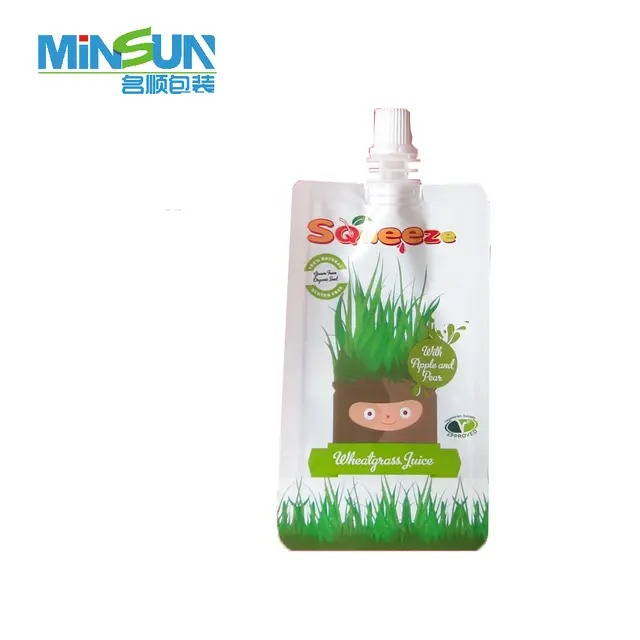
This is the "Step-by-Step" heart of the process. The slitted film is fed into a pouch-making machine where it is transformed from a flat sheet into a three-dimensional Center Seal Bag.
The film passes over a "forming collar" that shapes it into a tube. The two edges are brought together in the center. A vertical heat bar then presses them together to create the "Center Seal."
Fin Seal: The inside layers are folded against each other (stronger).
Lap Seal: The inside layer of one edge is sealed to the outside layer of the other (uses less material).
Once the tube is formed, horizontal seal bars create the top and bottom seals. At the same time, a mechanical punch creates an Easy tear notch. This small V-shaped or U-shaped cut is essential for consumer convenience, allowing them to open the Heat sealable pouch without scissors.
A High-quality center seal pouch must be able to withstand the pressure of being stacked in shipping crates. We put finished bags through a series of "torture tests."
We place sample pouches in a vacuum chamber submerged in water. If bubbles appear, it means the Heat sealable seam is compromised. This is a critical step for Food grade products where an oxygen leak would lead to spoilage.
We pull the seals apart to measure the "seal strength." A Center Seal Bag with a Large capacity must have seals that are stronger than the film itself. We also perform burst tests by pumping air into the bag until it pops, ensuring it can handle the internal pressure of "gas-flushing" (often used to keep chips fresh).
The final step is the organized stacking and boxing of the pouches. Because a Center Seal Bag is flat, it is incredibly efficient for shipping.
For Food grade orders, the pouches are packed in a clean-room environment. They are counted automatically and placed into double-walled corrugated boxes lined with a protective polybag. This prevents any contamination during transit.
Each box is labeled with the batch number and production date. This provides full traceability. If a client finds an issue with a specific Center Seal Bag, we can trace it back to the exact hour it was made and the specific roll of film used.
The manufacturing of a Center Seal Bag is a delicate dance between high-speed machinery and meticulous quality control. From selecting the right Food grade film to ensuring the Easy tear notch is perfectly placed, every step matters. By focusing on a Heat sealable laminate that provides Large capacity and durability, manufacturers can deliver a product that protects both the brand and the consumer.
Q1: Can center seal bags be used for liquid products?While they are mostly used for solids and powders, a Center Seal Bag can hold liquids if it is made with a high-barrier, heavy-gauge laminate. However, the center seal is a potential fail point under high liquid pressure, so specialized testing is required.
Q2: Are there biodegradable options for center seal pouches?Yes. We can manufacture a Biodegradable Center Seal Bag using compostable films. These offer similar barrier properties to plastic but break down in industrial composting facilities.
Q3: What is the benefit of a transparent window?A Transparent window allows consumers to see the quality and freshness of the product inside. It builds trust and is proven to increase sales for colorful or textured products like nuts, grains, and candies.
At Minsun, we pride ourselves on being a leader in the flexible packaging industry. Our factory is equipped with the latest high-speed rotogravure printing presses and solvent-less lamination lines, allowing us to produce a Center Seal Bag that meets the most demanding global standards. We operate under strict ISO and Food grade certifications, ensuring that every pouch—whether it features a Transparent window or a Biodegradable structure—is safe and reliable.
Our strength lies in our technical precision and our commitment to B2B excellence. We don't just supply bags; we provide packaging solutions. With a massive daily production capacity and a dedicated R&D team, we can customize a Center Seal Bag to your exact specifications, from an Easy tear notch for convenience to Large capacity designs for industrial use. When you partner with us, you are working with a factory that understands the "Step-by-Step" nuances of quality and the importance of protecting your brand's reputation.


